

The best current estimate for Derek Jeter net worth is about $200 million in 2026. That figure reflects decades of baseball salary, endorsement income, media work, and business activity. His exact wealth remains private, so any published number should be treated as an estimate.
Jeter’s estimated $200 million fortune grew from more than $265 million in MLB salary, major endorsement deals, and later business ventures. After his playing career, he owned the Miami Marlins, launched The Players’ Tribune, made investments, and worked in television. Public records confirm his large earnings, but they don’t reveal his full personal balance sheet.
Derek Jeter at a Glance
| Category | Details |
|---|---|
| Estimated net worth | About $200 million |
| Primary wealth sources | MLB salary, endorsements, investments, media |
| MLB career salary | About $265.2 million |
| Main MLB team | New York Yankees |
| Playing career | 1995 to 2014 |
| Major long-term contract | 10 years, $189 million |
| Former MLB ownership | 4% Miami Marlins stake |
| Post-retirement media | MLB on FOX |
| Major media venture | The Players’ Tribune |
| Hall of Fame | Class of 2020 |
Baseball-Reference lists his recorded career salary at about $265.2 million. That amount represents gross baseball pay before taxes, fees, spending, or investments. His financial position also reflects substantial earnings outside the game.
Key Takeaways
- His current wealth is commonly estimated near $200 million.
- MLB salary contributed more than $265 million in gross career pay.
- A 10-year, $189 million Yankees contract formed the financial core of his playing years.
- Endorsements added another major income stream during his peak fame.
- He later invested in the Miami Marlins and entered sports media.
- The $200 million figure is an estimate, not a confirmed financial disclosure.
How Derek Jeter Net Worth Reached an Estimated $200 Million
Jeter’s fortune began with one of the most valuable playing careers of his generation. He spent all 20 MLB seasons with the Yankees and became the franchise’s longtime captain. His performance and visibility in New York created unusual earning power both on and off the field.
Baseball-Reference records a career salary of approximately $265.2 million. His largest single contract covered the 2001 through 2010 seasons and totaled $189 million. That agreement alone averaged $18.9 million per season.
Gross salary does not equal personal wealth after retirement. Federal and state taxes consume a large portion of professional sports income. Agent fees, lifestyle costs, charitable giving, investments, and business losses can also change the final figure.
That distinction explains why a player can earn $265 million and hold a lower estimated net worth. Wealth measures assets minus liabilities, rather than adding every paycheck received. Private holdings also make outside calculations less precise.
Yankees Salary and Career Earnings
The Yankees made Jeter one of baseball’s highest-paid stars during his prime. His ten-year contract beginning in 2001 was worth $189 million. Baseball-Reference still lists that agreement among the largest MLB contracts recorded on its historical leaderboard.
His total recorded playing salary reached roughly $265.2 million across his career. That figure came entirely from one organization, since he never played for another major-league team. Few athletes combine that level of earnings with two decades at the same franchise.
His financial value was tied closely to sustained performance and enormous visibility. He collected 3,465 career hits and won five World Series championships. Those achievements also strengthened his appeal to national advertisers.
Endorsements Added Another Major Income Stream
His Yankees paycheck tells only part of the financial story. Published estimates credit endorsements with adding significant income across his playing career. Celebrity Net Worth currently estimates at least $150 million in endorsement earnings, though those figures are not independently audited.
His reported sponsors included Nike, Gatorade, Movado, Rawlings, and several other consumer brands. Exact values for individual agreements have rarely been disclosed publicly. That makes it safer to treat aggregate endorsement figures as estimates rather than confirmed earnings.
His long-term brand appeal also helps explain the scale of those reported deals. He played in America’s largest media market during repeated championship runs. Advertisers also benefited from his national recognition far beyond baseball audiences.
For a modern comparison, WebDorbit’s profile of Caitlin Clark’s earnings and endorsements shows how sponsorship income can exceed league salary. Her case reflects a newer version of the same athlete-brand dynamic. Both examples show why salary alone rarely tells the complete wealth story.
The Miami Marlins Investment
After retirement, Jeter moved from the field into team ownership and management. He joined the group that purchased the Miami Marlins for about $1.2 billion in 2017. MLB reported that he invested $25 million during the deal.
He ultimately held roughly a 4% ownership stake and became the organization’s chief executive officer. He oversaw daily baseball and business operations. That role continued until February 2022, when he stepped down and ended his shareholder relationship.
Celebrity Net Worth reports that his Marlins shares were sold for about $44.8 million. That reported exit would represent a meaningful investment event, although complete transaction details remain private. The episode shows how his post-playing finances expanded beyond salary and sponsorships.
The Players’ Tribune and Other Business Ventures
Retirement also brought a larger focus on media and entrepreneurship. He founded The Players’ Tribune in 2014 as a platform for athletes to publish first-person stories. Minute Media acquired the company in 2019, although the purchase price was not publicly disclosed.
Because the acquisition terms remain private, assigning a specific personal profit would be speculative. The business still demonstrates his move into sports media immediately after his playing career. It also gave him a financial interest outside traditional endorsement contracts.
The former shortstop has also been associated with broader business operations through Jeter Ventures. Private investments are difficult to value from public information. For that reason, they should not be converted into precise net-worth additions without documented transaction values.
Television and Baseball Media Work
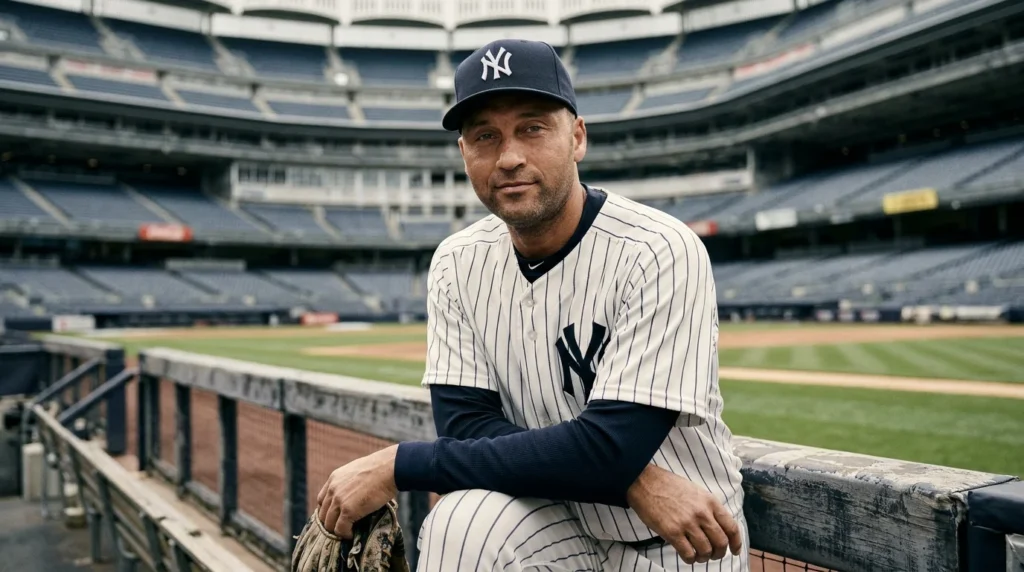
Jeter returned to regular baseball coverage after several years in executive roles. His official biography says he joined the MLB on FOX team beginning with the 2023 season. He remains part of the network’s high-profile baseball coverage in 2026.
Specific compensation for that television role has not been publicly confirmed. Media work nevertheless gives retired stars another ongoing revenue source. It also keeps his personal brand visible to younger baseball audiences.
Broadcasting differs from the massive salaries earned during his playing years. Yet television income can extend an athlete’s commercial life for decades. That longevity can support endorsements, partnerships, appearances, and later business opportunities.
Why the $200 Million Figure Is Only an Estimate
No public filing provides a complete list of Jeter’s cash, securities, property, private investments, and liabilities. That makes an exact personal valuation impossible from public information. A credible article should separate documented earnings from estimated wealth.
The $200 million figure appears across several current celebrity-finance sources. Celebrity Net Worth updated its estimate in June 2026, while Parade cited the same figure in March 2026. Those publications ultimately rely on estimates rather than audited financial statements.
You also can’t add gross career earnings directly to create a net-worth number. Taxes, professional fees, spending, investing results, and charitable contributions all change wealth over time. That is why documented salary shows earning power, not a complete balance sheet.
How His Wealth Compares With Newer Sports Stars
Jeter built his fortune before NIL deals transformed athlete marketing. Current stars can begin earning endorsement income before entering a professional league. That creates a different financial path from the one common during his early career.
WebDorbit’s Shedeur Sanders net worth profile illustrates that newer model. Young athletes can now combine college exposure, endorsements, social media, and professional contracts. The long-term principle remains similar because brand value can become as important as playing salary.
WebDorbit also covers entertainment wealth through profiles such as Jelly Roll’s net worth and career earnings. Different industries create different income structures and financial risks. Comparing them helps readers understand why headline earnings should never be confused with personal net worth.
Philanthropy and the Turn 2 Foundation
Financial success has also supported a long-running charitable effort. Jeter and his father created the Turn 2 Foundation during his 1996 rookie season. The organization promotes education, leadership, healthy choices, and youth development.
The foundation reports giving back more than $48 million during its 30-year history. That money supports its programs and outside organizations sharing its mission. Charitable activity should not be treated as personal wealth, but it remains part of his financial legacy.
He continues serving as the foundation’s founder and chairman. His involvement has extended far beyond his playing career. The organization remains active in New York, Michigan, Florida, and other communities.
Frequently Asked Questions
What is Derek Jeter net worth in 2026?
His wealth is widely estimated at about $200 million in 2026. The figure includes assumptions about salary savings, endorsements, investments, and business interests. Because his finances are private, the exact number cannot be independently verified.
How much money did Jeter make playing baseball?
Baseball-Reference records approximately $265.2 million in career salary. His largest contract was a ten-year, $189 million agreement covering 2001 through 2010. Those numbers represent gross salary before taxes and other expenses.
How much did he make from endorsements?
Celebrity Net Worth estimates at least $150 million in endorsement income during his playing career. Exact totals have not been confirmed through public financial records. Individual contract values for major sponsors also remain largely private.
Did he own the Miami Marlins?
Yes, he owned roughly 4% of the franchise after joining the 2017 ownership group. He also served as CEO and oversaw daily baseball and business operations. He left both roles and gave up his ownership interest in February 2022.
Does he still make money after retiring?
Yes, his post-retirement career has included investments, business ventures, and television work. He founded The Players’ Tribune and later joined MLB on FOX. Exact annual income from these activities is not publicly available.
Final Takeaway
The estimated $200 million fortune reflects far more than two decades of Yankees paychecks. Salary provided the financial base, while endorsements and later ventures expanded his income sources. Team ownership, media, and business activity continued that financial story after retirement.
The key distinction is between documented earnings and estimated wealth. Public records support more than $265 million in baseball salary, while private assets remain harder to value. Readers should therefore treat the headline figure as a researched estimate rather than an exact accounting.
For more breakdowns of athlete income, explore WebDorbit’s sports and entertainment profiles. Comparing contracts, endorsements, and business holdings gives a clearer picture than headline wealth numbers alone. That approach is especially useful when celebrity finances remain private.