

Suze Rotolo died of lung cancer on February 25, 2011, at her home in New York City, at the age of 67. The artist and writer, best known as Bob Dylan’s girlfriend in the early 1960s and the young woman walking beside him on the cover of The Freewheelin’ Bob Dylan, had kept her illness private, and her death was reported in the days that followed.
Interest in her has grown again since the 2024 film A Complete Unknown, which includes a character closely based on her. This article covers what is actually known about her death, the life she led before and after Dylan, and why she matters far beyond one famous photograph.
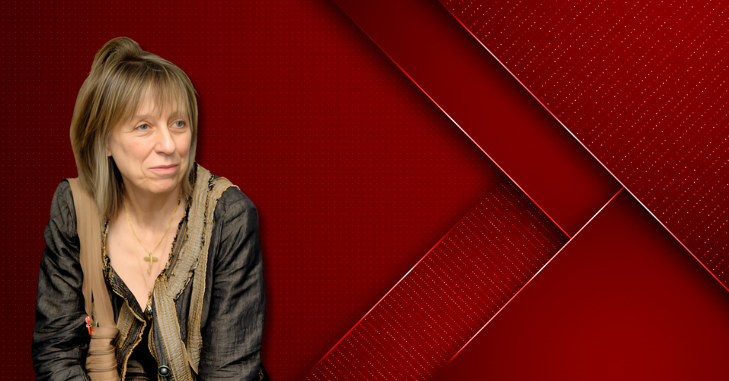
Suze Rotolo Quick Facts
| Detail | Information |
|---|---|
| Full name | Susan Elizabeth Rotolo |
| Born | November 20, 1943, New York City; grew up in Queens |
| Died | February 25, 2011, New York City |
| Age at death | 67 |
| Cause of death | Lung cancer |
| Occupation | Artist, illustrator, writer, activist |
| Known for | Cover of The Freewheelin’ Bob Dylan (1963); memoir A Freewheelin’ Time (2008) |
| Spouse | Enzo Bartoccioli, Italian film editor |
| Children | One son, Luca |
What Was Suze Rotolo’s Cause of Death?
Obituaries in major newspapers reported that Rotolo died of lung cancer at her home in Manhattan, with her husband, Enzo Bartoccioli, at her side. She had not made her diagnosis public. That discretion fit the way she lived: after the 1960s she deliberately stayed out of the spotlight, rarely gave interviews about Dylan, and told her own story in full only when her memoir appeared three years before her death.
Details such as how long she had been ill or what treatment she received were never released, so be cautious with websites that add specifics, dates of diagnosis or quotes from her final months. The verified facts are short: lung cancer, at home in New York, on February 25, 2011, aged 67. What gives her death weight for readers is the timing. She had only recently begun speaking publicly about her life, which is one reason her memoir is so valued by music historians and fans.
How her death was received
News of her death was covered widely, with most reports leading on the album cover and her relationship with Dylan. Many tributes also noted what she had been trying to say for years: that she was an artist and a political person in her own right, not just a figure in someone else’s story. Those reports introduced her memoir to a new set of readers, and that renewed attention has continued as each new Dylan documentary or film revisits the early 1960s.
Early Life and Political Upbringing
Rotolo grew up in Queens in an Italian American family. Her parents were active in left-wing politics and the American Communist Party, and she later described a home full of books, art and political argument at a time when those affiliations attracted real suspicion during the McCarthy era. Her father died when she was a teenager.
She was drawn early to both art and activism. As a young woman she volunteered with civil rights groups, including the Congress of Racial Equality (CORE), at a time when the movement was gaining momentum in the North as well as the South. That background matters for understanding her later influence: she arrived in Greenwich Village already politically engaged, not as someone who picked up causes from the people around her.
Meeting Bob Dylan in Greenwich Village
Rotolo met Dylan in the summer of 1961 at a folk concert in Manhattan, when she was 17 and he was a newly arrived, still unknown singer. They became a couple and eventually shared an apartment on West 4th Street in Greenwich Village. She introduced him to poetry, painting and politically engaged theater. She was working on an off-Broadway production of Brecht on Brecht, and Dylan later credited seeing it with shaping his songwriting.
Many writers argue that her activism nudged him toward the protest songs that made his name in 1962 and 1963. The influence was almost certainly mutual and is hard to measure, but her own account makes clear that the apartment was a place of constant reading, argument and creative exchange rather than a backdrop to his career.
The Freewheelin’ Album Cover
In early 1963, CBS photographer Don Hunstein photographed the couple walking up Jones Street near their apartment on a cold winter day. The image, with Dylan hunched in a thin suede jacket and Rotolo holding his arm, became the cover of The Freewheelin’ Bob Dylan. It stood out because it looked like an unposed snapshot of real life rather than a studio portrait, and it has been imitated and referenced countless times since.
The photograph fixed Rotolo in pop culture history, even though she had no say in how her image would be used afterward. In her memoir she reflected on how strange it was to become a symbol for strangers, and on how the picture captured a moment in the relationship that the public would never let go of, long after the two had moved on.
Italy, the Songs and the Breakup
In 1962 Rotolo left for several months to study art in Perugia, Italy, partly under pressure from her mother, who disapproved of the relationship. Her absence is widely linked to some of Dylan’s best-known love songs of the period. The relationship ended in 1964, and Dylan’s “Ballad in Plain D” is generally read as an account of their final argument. He later said he regretted writing it.
Songs commonly associated with Suze Rotolo
| Song | Connection usually cited |
|---|---|
| “Don’t Think Twice, It’s All Right” | Written around the time of her stay in Italy |
| “Boots of Spanish Leather” | A conversation between a lover abroad and the one left behind |
| “Tomorrow Is a Long Time” | Longing during separation |
| “Ballad in Plain D” | Generally read as describing the breakup |
These links come from biographers, critics and context rather than from Dylan explaining each song line by line, so treat them as widely held interpretations rather than confirmed statements.
A Life of Art and Independence
After the relationship ended, Rotolo pursued her own work. In 1964 she was among a group of American students who traveled to Cuba in defiance of the U.S. travel ban, a trip that reflected her continuing political commitment. She later married Enzo Bartoccioli, whom she had met in Italy, and they raised their son, Luca, in New York, where he became a musician.
As an artist she worked in illustration, painting and especially book arts, creating handmade and altered books that were shown in galleries, and she taught and led workshops. She rarely traded on her Dylan connection. One of the few times she spoke on camera about that era was in Martin Scorsese’s 2005 documentary No Direction Home.
Her Memoir: A Freewheelin’ Time
In 2008 Rotolo published A Freewheelin’ Time: A Memoir of Greenwich Village in the Sixties. Rather than a tell-all, it is a vivid portrait of the Village folk scene, the civil rights movement and what it meant to be a young woman trying to be taken seriously in a world that mostly saw her as a famous man’s girlfriend. Reviewers praised its clear eye and lack of bitterness.
If you want to understand her in her own words, this is the place to start. Read it alongside No Direction Home and you get two complementary views of the same years: hers on the page, and the wider scene on film.
Suze Rotolo and A Complete Unknown
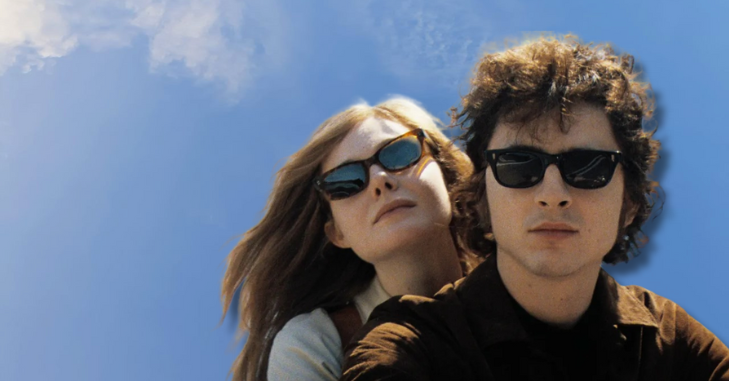
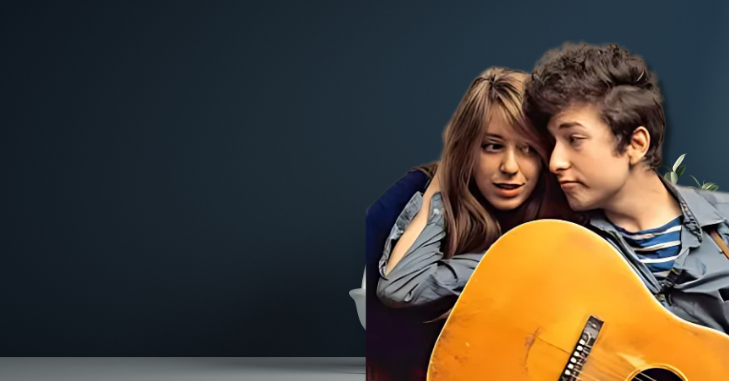
The 2024 biopic A Complete Unknown, with Timothée Chalamet as Dylan, features a character named Sylvie Russo, played by Elle Fanning. The character is clearly modeled on Rotolo, but the name was changed, reportedly at Dylan’s request, and the film takes liberties with events. Many viewers searched for Rotolo after seeing it, which explains why interest in her life and death rose well over a decade after she died.
Watching the film is a reasonable introduction, but it compresses timelines and invents scenes. For the real story, rely on her memoir and contemporary reporting. If you enjoy stories about musicians and the people around them, our profile of John Rzeznik and his long rock career offers another look at life behind the songs.
Suze Rotolo Timeline
| Year | Event |
|---|---|
| 1943 | Born in New York City on November 20 |
| 1961 | Meets Bob Dylan at a folk concert in Manhattan |
| 1962 | Studies art in Perugia, Italy, for several months; works on Brecht on Brecht in New York |
| 1963 | Appears on the cover of The Freewheelin’ Bob Dylan |
| 1964 | Relationship with Dylan ends; travels to Cuba with a student group |
| Later years | Marries Enzo Bartoccioli, raises son Luca, works as an artist and teacher in New York |
| 2005 | Interviewed for Martin Scorsese’s No Direction Home |
| 2008 | Publishes A Freewheelin’ Time |
| 2011 | Dies of lung cancer on February 25, aged 67 |
| 2024 | A character based on her appears in A Complete Unknown |
Laid out in order, the timeline shows how short the Dylan chapter really was: roughly three years in a life of 67. Most of her adult life was spent as a wife, mother, teacher and working artist in New York, the part of her story that the album cover and the film leave out.
Why Her Legacy Endures
- A defining image: the Freewheelin’ cover remains one of the most recognizable album covers ever made.
- Creative influence: she exposed Dylan to art, theater and politics in the years he found his voice.
- Her own voice: her memoir is one of the best first-hand accounts of the early 1960s Village.
- Quiet independence: she built a full artistic life on her own terms rather than living off a famous association.
Like many cultural figures whose deaths were handled privately, she is often the subject of speculation online. For another creative figure whose family kept details out of the public eye, see our article on the life and death of Rosita Missoni.

Frequently Asked Questions
What was Suze Rotolo’s cause of death?
Suze Rotolo died of lung cancer on February 25, 2011, at her home in New York City. She had kept her diagnosis private, and further medical details were not released.
How old was Suze Rotolo when she died?
She was 67. She was born on November 20, 1943, in New York City and grew up in Queens.
Is Suze Rotolo on the Freewheelin’ album cover?
Yes. She is the woman walking arm in arm with Bob Dylan on Jones Street in Greenwich Village in Don Hunstein’s 1963 cover photograph for The Freewheelin’ Bob Dylan.
Who was Suze Rotolo married to?
She married Enzo Bartoccioli, an Italian film editor she met in Italy. They had one son, Luca, who became a musician.
Is Sylvie in A Complete Unknown based on Suze Rotolo?
Yes, the character Sylvie Russo is widely understood to be based on Rotolo. Her name was changed, reportedly at Dylan’s request, and the film dramatizes events.
Did Suze Rotolo write a book about Bob Dylan?
She wrote a memoir, A Freewheelin’ Time, published in 2008. It covers her years with Dylan but focuses just as much on Greenwich Village, the civil rights movement and her own development as an artist.
Final Thoughts on Suze Rotolo
Suze Rotolo died of lung cancer in 2011 at 67, and beyond that the details were rightly kept private. The more useful thing to know is who she was: a politically engaged artist who shaped a pivotal moment in American music and then built her own life away from it. Start with her memoir if you want the story from the person who lived it.