
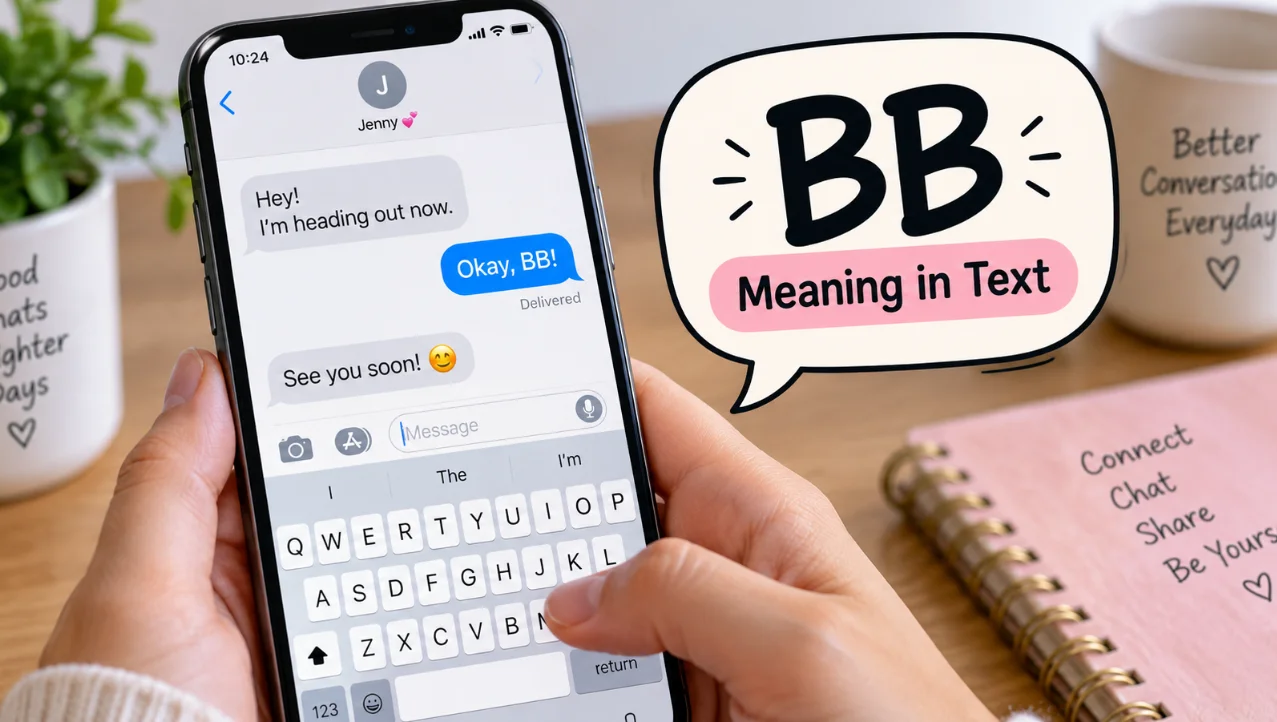
If you searched for bb meaning in text after seeing those two letters in a message, the answer is likely simple. The letters stand for “baby” or “babe.” People use the shorthand as an affectionate nickname for partners, crushes, close friends, and others they feel comfortable with. The surrounding conversation tells you whether the tone is romantic, friendly, playful, or something else. You might also like “Tell Me Answer” in American English.
In casual U.S. texting, “bb” most often means “baby” or “babe,” a warm nickname used with a partner, crush, close friend, or someone you feel comfortable with. It can be friendly or flirty, so the sender’s relationship with you, message tone, emojis, and conversation context matter more than the abbreviation alone. More from us: I Like Your Vibe.
| BB Meaning in Text | What to know |
|---|---|
| Most common meaning | Baby or babe |
| Typical tone | Affectionate, friendly, playful, or flirty |
| Common places | Text messages, DMs, comments, dating apps, and group chats |
| Can it be platonic? | Yes, especially between close friends. |
| Can it mean something else? | Yes, including bye-bye and specialized abbreviations. |
| Best way to interpret it | Read the full message and consider your relationship with the sender. |
Key Takeaways
- The shorthand usually means baby or babe in personal messages.
- It can have a romantic meaning, but don’t assume it from two letters alone.
- Close friends can use the same nickname without romantic interest.
- Emojis, compliments, timing, and conversation history provide stronger clues about intent.
- The meaning generally stays similar across Snapchat, Instagram, TikTok, texts, and other casual messaging spaces.
- Specialized contexts can give the same letters completely different definitions.
BB Meaning in Text: The Main Definition
In everyday online conversation, the abbreviation is most commonly an affectionate shortened form of “baby.” Cambridge Dictionary specifically lists the lowercase and uppercase forms as informal shorthand used in text messages and online when addressing someone close. Dictionary.com also identifies its use as a term of endearment for significant others or friends.
“Babe” is another common interpretation because people use the two nicknames in similar situations. The shortened form saves a little typing while giving a message a warmer, more personal tone. Its meaning comes less from a strict acronym expansion and more from how people already use affectionate names in conversation.
For example, these messages would normally suggest warmth or familiarity.
- “Goodnight, bb, sleep well.”
- “Thanks, bb, I appreciate you.”
- “You’ve got this, bb; I know you can do it.”
The first message may sound romantic if it comes from a partner or someone you are dating. The second could fit either a romantic relationship or a close friendship, while the third can easily be supportive and platonic. That difference is why interpreting the whole exchange matters more than treating the shorthand as a fixed romantic signal.
How to Tell Whether It’s Friendly or Flirty
Start with your existing relationship because that provides the strongest clue. A partner using an affectionate nickname is usually expressing the same closeness already present in the relationship. A longtime friend who regularly uses pet names with several people may be showing friendship rather than romantic interest.
Next, look at the rest of the message instead of focusing on one word. Compliments about your appearance, romantic plans, repeated heart or kiss emojis, and messages about missing you can make the tone feel more flirtatious. Supportive comments, jokes, or casual group-chat language can make the same nickname feel friendlier.
Four clues are especially useful:
- Relationship: Are you partners, dating, close friends, or recent acquaintances?
- Message: Is the sender flirting, comforting you, joking, or ending an ordinary conversation?
- Emojis: Hearts and kisses can strengthen an affectionate tone, but they aren’t proof of romantic interest.
- Pattern: Does the person call only you affectionate names, or do they speak that way with many friends?
No single clue gives you a guaranteed answer, so avoid treating one message as a confession of interest. Someone’s usual communication style often explains more than a slang dictionary can. If the distinction matters, the safest approach is to watch the broader pattern or ask the sender naturally.
What It Can Mean From a Guy or a Girl
The sender’s gender does not create a separate definition. A guy, girl, or person of any gender can use the nickname romantically, platonically, jokingly, or as part of their normal texting style. Your relationship with that person is a more useful signal than gender. If a person you are dating suddenly starts using affectionate nicknames, it may show growing comfort or interest.
If a close friend uses the same language with everyone in the group, there is less reason to read romance into it. Repeated flirting, personal compliments, plans to spend time together, and other behavior provide much stronger evidence. This distinction can prevent unnecessary misunderstandings. Search results often separate “from a guy” and “from a girl” into different sections, yet the practical decoding process is almost identical. Focus on what the sender says, how often they say it, and what kind of relationship you already have.
How the Meaning Changes Across Social Apps
Moving from regular SMS to Snapchat, Instagram, TikTok, or another messaging service does not automatically change the definition. Casual social apps encourage short messages, comments, reactions, and DMs, so affectionate shorthand fits naturally into those conversations. What matters is whether the surrounding exchange is private, playful, romantic, supportive, or public.
A nickname in an Instagram comment may be casual praise between friends, while the same nickname in a late-night private message from a crush can feel more intimate. On Snapchat, quick exchanges can make abbreviated language especially easy to use, but you still need the conversation for context. A TikTok comment from a friend may carry no romantic meaning at all.
WebDorbit’s guide to how Threads works offers another example of how modern social platforms center short, conversational interactions. If you like practical explanations of online platforms and digital behavior, the site’s Tech section includes more related guides. The platform may shape how short the message becomes, but the relationship still shapes what the nickname communicates.
Other Meanings of BB You May See
The two letters are not limited to affectionate messages. Dictionary.com notes several unrelated uses, including bye-bye, basketball, and the name associated with pellets used in a BB gun. These alternatives show why the subject of the conversation can completely change the interpretation. Sports are a particularly clear example for U.S. readers. In baseball scorekeeping, MLB uses the abbreviation for a “base on balls,” which is another name for a walk.
A stat line, game discussion, or fantasy baseball conversation therefore has nothing to do with an affectionate nickname. Capitalization can sometimes offer another clue, although it is not a dependable rule. Lowercase wording often looks more like casual texting, while uppercase letters can resemble a formal abbreviation or sports statistic. People capitalize messages inconsistently, so subject matter remains a stronger signal than letter case.
How to Reply Without Making the Conversation Awkward
Your reply should match both your relationship and the level of affection you are comfortable returning. You don’t need to use the same nickname back unless it feels natural. A normal response can acknowledge the message without turning a casual exchange into something more serious.
If you like the affectionate tone, you can mirror it with a warm nickname, emoji, or playful response. If you are unsure, keep your reply friendly and respond to the actual message rather than the pet name. If the nickname makes you uncomfortable, a calm boundary is clearer than trying to decode the sender’s intentions silently.
Possible responses include:
- Romantic: “Goodnight, babe. Sleep well.”
- Playful: “Look at you getting all sweet.”
- Friendly: “Aww, thanks. I appreciate you.”
- Neutral: “Thanks. Hope your day is going well too.”
- Unsure: “You’re calling me nicknames now?”
- Setting a boundary: “I’d rather you use my name, if that’s okay.”
The best response matches what you want the conversation to communicate. You are not required to match someone else’s level of familiarity. A simple, natural reply usually works better than searching for a hidden meaning in every letter.
When You Should Avoid Using the Nickname
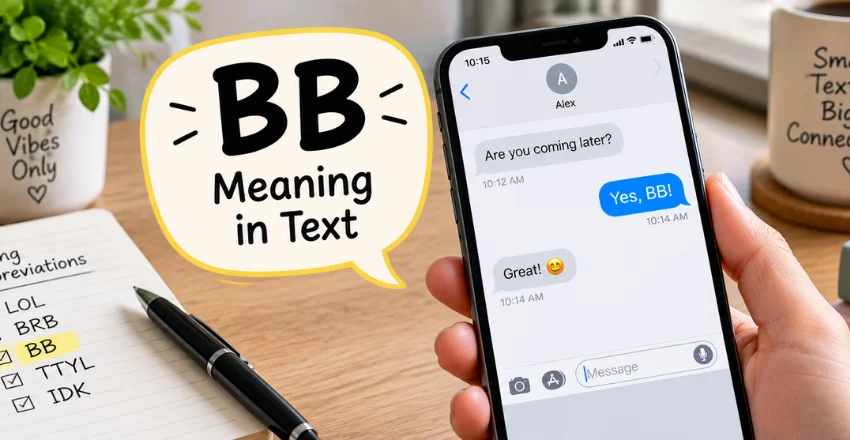
Affectionate shorthand works best in casual conversations where familiarity already exists. It can sound overly personal with a new acquaintance, customer, professor, manager, coworker, or anyone who hasn’t shown comfort with pet names. Professional communication usually benefits from names and straightforward language instead.
You should also consider boundaries in friendships and dating. One person may find a pet name sweet, while another may feel that it creates intimacy they did not invite. When you are uncertain, using the person’s name or a neutral greeting avoids sending an unintended signal.
The same principle applies to clear written communication. WebDorbit’s explainer on how to spell “business” correctly shows how small language choices can affect clarity in personal, academic, and professional settings. Slang has its place, but the audience and situation should determine when you use it.
The Simple Way to Read the Message
Most of the time, those two letters are simply an affectionate shortcut for “baby” or “babe.” The hard part isn’t defining the abbreviation; it’s deciding how affectionate the sender intended it to be. Your relationship, the full sentence, emojis, timing, and previous conversations give you the clues you need.
Don’t assume a friendly nickname automatically confirms romantic interest. Treat it as one piece of the conversation and compare it with the sender’s broader behavior. For more plain-language explainers on words, technology, and everyday questions, browse WebDorbit’s Education section.
Frequently Asked Questions
What does “bb” mean in a text from a guy?
It usually means “baby” or “babe,” especially when the message is affectionate or flirtatious. Still, a guy can use the same nickname casually with a close friend, so gender alone does not establish romantic intent. Look at his usual texting style, your relationship, and the rest of the conversation before drawing a conclusion.
Can BB mean bye-bye?
Yes, it can mean “bye-bye” in some messages, and Dictionary.com recognizes that interpretation among its alternate uses. That meaning is more likely when the term appears as someone ends a conversation. If it appears beside affectionate language or in the middle of a conversation, “baby” or “babe” usually has a stronger affectionate meaning.
Is BB always flirty?
No, an affectionate nickname does not automatically mean someone is flirting with you. Close friends sometimes use pet names as supportive or playful language without romantic intentions. The clearest evidence comes from the sender’s broader behavior, including compliments, romantic topics, invitations, and the way they communicate with other people.
Does the meaning change on Snapchat or Instagram?
The main affectionate interpretation generally stays the same across casual messaging platforms. A social app may encourage shorter messages, emojis, and quick replies, but it does not assign a new universal definition to the nickname. Read the words around it and consider whether the exchange is public, private, friendly, or romantic.
Is it appropriate to use in a work message?
Usually, no, unless you already have an unusually close personal relationship with the recipient and know the nickname is welcome. Pet names can sound unprofessional or overly familiar in emails, workplace chats, customer messages, and other business communication. Using the person’s name is the safer choice when professional boundaries matter.