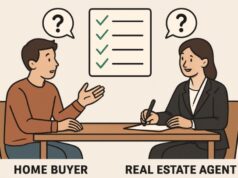

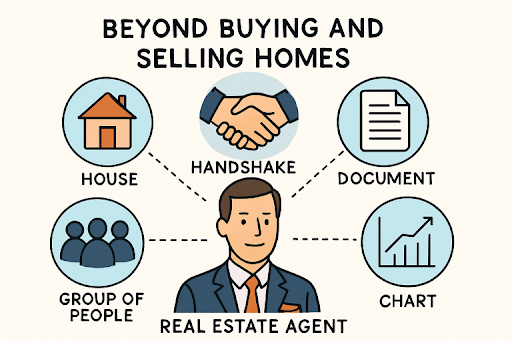
Real estate agents add value beyond buying and selling by working as local market analysts, negotiators, deadline managers, coordinators of a whole team of professionals and long-term property advisors. The showing and the signature are only the visible parts of the job. Most of the value sits in the work around them: pricing a home correctly, catching problems in disclosures and inspections, keeping lenders, inspectors and escrow on schedule, protecting a client’s terms in negotiation and staying useful for years after closing.
This guide breaks that work down stage by stage, explains how the role changed after the 2024 commission rule changes, and gives you a practical way to judge whether the agent you are talking to actually delivers it.
Why Agents Matter Outside the Transaction
Many people still picture an agent as someone who unlocks doors and fills in forms. A more accurate description is advisor and advocate. A good agent’s involvement often starts months before a home is listed, when an owner is wondering whether to renovate, wait or sell, and it continues long after the keys change hands. That continuity is where much of the value comes from, because the agent already knows the property, the owner’s goals and the local market when the next decision comes up.
Local teams in high-value, complex markets show this clearly. The Montecito real estate team Alemann & Associates, for example, works in a California coastal community where wildfire risk, insurance availability, hillside and coastal zoning, and the long memory of the 2018 debris flows all shape what a property is worth and how it should be marketed. In a market like that, guidance on insurance, hazards and land-use rules can matter as much as the sale itself, and an agent who understands those issues protects clients from expensive surprises.
Where Agents Add Value at Each Stage
The table below summarizes the less visible work a strong agent does from the first conversation to the years after closing.
| Stage | What a strong agent does | Why it matters to you |
|---|---|---|
| Before buying or selling | Market analysis, pricing strategy, timing advice, pre-sale repair priorities | Avoids overpricing, wasted renovation spend and poor timing |
| Marketing or searching | Staging advice, photography, off-market leads, neighborhood knowledge | Wider exposure for sellers, better shortlists for buyers |
| Offer and negotiation | Offer strategy, counteroffers, contingencies, repair credits | Protects price and terms, not just the headline number |
| Due diligence | Disclosure review, inspection coordination, deadline tracking | Surfaces problems before they become costly |
| Closing | Coordinates lender, escrow or title and appraisal issues | Keeps the deal on schedule and reduces last-minute stress |
| After closing | Contractor referrals, market updates, tax and refinance pointers | Helps owners protect and grow their investment |
Local Market Expertise That Online Estimates Miss
Automated valuations are a useful starting point, but they cannot see the kitchen that was remodeled last year, the street that floods after heavy rain, or the premium buyers pay to be inside a particular school boundary. Experienced agents combine recent comparable sales with on-the-ground knowledge: which streets sell fastest, which upgrades buyers actually pay for, and which upcoming changes, such as new developments, rezoning or road projects, might affect values.
For sellers, that knowledge turns into a list price that attracts serious buyers in the first two weeks, when interest is usually highest, instead of a price that sits and goes stale. For buyers, it means knowing whether an asking price is fair and what risks come with the property, from flood and fire zones to boundary questions. Terms that come up at this stage, such as whether a lot abuts public land or a neighbor’s easement, are explained in our guide to what “abut” means in property contexts.
What good local analysis looks like
- Comparable sales from the last few months, adjusted for size, condition, lot and location rather than copied from a portal.
- Context on active and pending listings, which show where the market is heading, not just where it has been.
- Notes on hazards, HOA rules, permits and zoning that could affect value or insurance.
- An honest range rather than a single flattering number designed to win the listing.
Guiding Clients Through Paperwork and Legal Steps
A single residential sale can involve a purchase agreement, counteroffers, agency and representation agreements, mandatory disclosures, inspection reports, repair addenda, title documents, HOA papers and loan documents. In California, sellers typically provide a Transfer Disclosure Statement and a Natural Hazard Disclosure among other forms, and every state has its own required paperwork.
Agents are not lawyers and should not give legal advice, but they add real value by knowing which forms apply, tracking every contingency deadline and flagging anything that needs a real estate attorney, tax professional or other specialist. Missed deadlines and incomplete disclosures are among the most common sources of disputes after a sale, so this organizing work is protective rather than clerical.
Deadlines an agent should be tracking for you
- Earnest money deposit due date.
- Inspection contingency period and the deadline to request repairs or credits.
- Appraisal and loan contingency deadlines.
- Delivery and review of seller disclosures, HOA documents and the preliminary title report.
- Final walkthrough and closing date, plus any rent-back or possession terms.
Negotiation: The Unsung Skill Set
Negotiation covers far more than price. Closing dates, rent-back periods, contingencies, repair credits, appliance inclusions and earnest money terms can all be worth thousands of dollars. An agent acts as a buffer, keeping emotion out of the conversation and using market data to justify each position, which tends to produce better terms than a buyer and seller arguing directly.
Common negotiation scenarios
- Multiple offers: a listing agent can manage deadlines and counteroffers to improve price and terms without driving away the strongest buyer.
- Inspection findings: a buyer’s agent can turn a long list of defects into a sensible request focused on safety issues and big-ticket items such as roofs, foundations and electrical panels.
- Low appraisal: agents can challenge weak comparables, renegotiate price or bridge the gap with adjusted terms or a larger down payment.
- Timing conflicts: a short rent-back or flexible closing date can be worth more to a seller who is also buying than a small price increase.
Tips for smoother negotiations
- Base every position on market data, not emotion.
- Understand what the other side needs, such as timing or certainty, not just what they ask for.
- Keep communication professional and get every agreed change in writing.
- Have a backup plan so you are never negotiating from desperation.
Access to a Trusted Professional Network
Agents work with inspectors, lenders, escrow and title officers, contractors, stagers, photographers, attorneys and insurance brokers every week. When a plumbing leak appears days before closing, or a buyer suddenly needs a roof certification or a sewer-line scope, a well-connected agent can often get a reliable professional out quickly. That speed can be the difference between a deal that closes on time and one that falls apart.
Clients should still check licenses, read reviews and get more than one quote, and agents should disclose any business relationship with the providers they recommend. Used that way, an agent’s referral list is a time-saving starting point rather than an obligation.
Educating Clients So They Decide With Confidence
Much of an agent’s value is translation. Days-on-market figures, list-to-sale price ratios and interest rate moves mean little until someone explains what they imply for a specific home. A good agent will show a seller why a price adjustment after two quiet weeks often beats a long, slow decline, or show a buyer how a rate change affects the monthly payment on the homes on their shortlist.
Education also means being honest about trade-offs. Should a seller fix the deck before listing or offer a credit? Is waiving an inspection contingency worth the risk in a competitive market? Should a buyer choose a smaller home in a stronger school district or more space further out? Agents who lay out the options, likely costs and risks, then let clients decide, tend to produce better outcomes and fewer regrets than agents who push for a quick signature.
How the Role Changed After 2024
Following the National Association of Realtors settlement, practice changes took effect in August 2024. Buyers working with a Realtor now generally sign a written agreement before touring homes, and offers of compensation to buyer agents are no longer shown on MLS listings. The practical effect is that agents have to explain their services and fees up front, and clients are more likely to ask exactly what they are paying for.
That shift has pushed many agents to describe the advisory work covered in this article in plain terms, often in a written service list. Rules and local practices continue to evolve, so ask any agent to walk you through their agreement, including how long it lasts and how it can be ended, before you sign.
Support Long After Closing
The relationship does not have to end at the keys. Good agents send periodic market updates, recommend contractors for upgrades, point owners toward property tax appeal options or homestead exemptions, and flag when refinancing or selling might make sense. For investors, they can advise on rental demand, likely rents and which improvements add value rather than just cost.
That ongoing contact is also how agents earn referrals and repeat business, so their incentives line up with keeping past clients well served rather than disappearing once the commission is paid.
How to Tell if an Agent Is Adding Value
Use this checklist when interviewing agents or reviewing the one you already work with.
- They explain pricing or offer advice with recent comparable sales, not gut feel.
- They give you a written plan with timelines and who is responsible for each step.
- They are clear about their fees and exactly what those fees cover.
- They know the local risks, such as fire, flood, zoning and HOA rules.
- They tell you when you need a specialist rather than guessing.
- They answer questions promptly and put important updates in writing.
Red flags to watch for
- A suggested list price far above every comparable, with little explanation.
- Pressure to sign quickly or to waive protections without discussing the risks.
- Vague answers about fees, dual agency or referral relationships.
For a ready-made list to use in interviews, see our guide to the best questions to ask your real estate agent.
Bottom Line on the Value Real Estate Agents Add
The best real estate agents earn their fee through work most clients never see: accurate pricing, tracked deadlines, calm negotiation, fast access to reliable professionals and honest advice long after closing. Before you hire one, ask them to show you how they handle each stage in the table above. Their answers will tell you more than any sales pitch.
This article is general information, not legal or financial advice. Speak to a licensed professional about your specific situation.
Frequently Asked Questions
What do real estate agents do besides buying and selling?
They analyze the local market, advise on pricing and timing, manage paperwork and deadlines, negotiate terms, and coordinate inspectors, lenders and escrow. Many also support clients after closing with market updates and contractor referrals.
Can a real estate agent give legal advice?
No. Agents can explain common forms and processes and tell you when an issue needs attention, but legal questions should go to a licensed real estate attorney in your state.
Do buyers need a written agreement with an agent?
Since August 2024, buyers working with a Realtor generally sign a written agreement before touring homes. It sets out the services the agent will provide and how they will be compensated, so read it carefully before signing.
How do agents help after closing?
They share market updates, recommend contractors, point owners to property tax exemptions or appeals, and advise on refinancing, renting or selling later. Good agents treat closing as the start of a long-term relationship.
Is local expertise really that important?
Yes. Local agents understand pricing street by street, current buyer demand and risks such as fire, flood and zoning that online estimates often miss. That knowledge affects both the price you pay or receive and the problems you avoid.
How can I tell if my agent is worth the fee?
Look for data-backed pricing advice, a written plan, clear fee disclosure, proactive deadline tracking and honest recommendations to bring in specialists. If your agent cannot explain what they do at each stage, keep looking.