


To layer skincare correctly, apply products from the thinnest texture to the thickest: cleanser, toner or essence, serum, eye cream, spot treatment, moisturizer, face oil if you use one, and sunscreen as the final step in the morning. Water-based products go on before oil-based ones, and it is safest to keep one main active (such as a retinoid or an exfoliating acid) per routine so your skin barrier stays calm.
That short answer covers most routines. Below you will find why the order works, how to work out your skin type, a step-by-step walkthrough, how long to wait between layers, which ingredients are better kept apart, and sample morning and evening routines for dry, oily, combination and sensitive skin.
Why the Order of Skincare Products Matters
Every product in a routine has a job, and the order decides whether it can do it. Thin, watery formulas usually carry smaller molecules and active ingredients that need close contact with clean skin. Thicker creams and oils are designed to sit on top and slow down water loss from the skin. If you put a rich cream on first, a watery serum applied afterward mostly sits on the cream and ends up on your pillowcase rather than in your skin.
Sunscreen is the exception to the thin-to-thick rule. It always goes last in the morning because it has to form an even film on the surface to protect you. Mixing it into moisturizer or covering it with face oil can thin that film and reduce the protection you actually get.

Order also affects comfort. Applying an acid toner and then a retinoid immediately afterward stacks two potentially irritating steps on top of each other. Spacing them across the day or week, and putting a moisturizer in between, makes the same products far easier to tolerate.
Step 0: Identify Your Skin Type
A simple way to check is the bare face test. Wash with a gentle cleanser, pat dry, apply nothing, and look at your skin after about 30 to 60 minutes.
- Dry: feels tight, may look flaky or dull, with little or no shine anywhere.
- Oily: visible shine across the forehead, nose, chin and cheeks, often with enlarged pores and more frequent breakouts.
- Combination: an oily T-zone (forehead, nose, chin) with normal or dry cheeks.
- Sensitive: stings, turns red or itches easily, especially with fragrance or strong actives. Sensitivity can sit on top of any other type.
- Normal: comfortable and balanced, with few flaky or shiny areas.
Skin type can shift with seasons, hormones, travel and age, so repeat the test a few times a year and adjust textures accordingly. A cream that felt perfect in January may feel heavy in July. Sleep matters too: if your skin looks dull and dehydrated no matter what you apply, it may be worth reading about when poor sleep is more than a bad night.
The Core Layering Rules
- Thin to thick: liquids first, then gels and serums, then lotions, then creams, then oils.
- Water before oil: water-based products do not pass through an oil layer well.
- Treatments close to the skin: the product you care most about, such as a prescription cream or retinoid, usually goes on early, right after cleansing or toner, unless its instructions say otherwise.
- Sunscreen last in the morning: nothing goes over it except makeup.
- Fewer is often better: two or three well-chosen serums are plenty. More layers mean more chances of pilling and irritation.
If a product comes with specific directions from a dermatologist or on its label, follow those over any general rule. Prescription treatments in particular are often designed to be applied in a set way.
How to Layer Skincare, Step by Step
1. Cleanser
Cleansing removes sweat, oil, sunscreen and makeup so the next products can reach the skin. Gel or foaming cleansers suit oily skin, while cream, milk or balm cleansers suit dry and sensitive skin. In the evening, if you wear makeup or water-resistant sunscreen, a double cleanse works well: an oil or balm cleanser first, then a gentle water-based cleanser. In the morning, a splash of lukewarm water or a mild cleanser is usually enough. Avoid hot water, which can leave skin feeling tight.
2. Exfoliant (a few times a week)
Chemical exfoliants such as glycolic or lactic acid (AHAs) and salicylic acid (a BHA) are usually applied after cleansing on clean, dry skin. Most people do best with two or three evenings a week rather than daily use. Skip exfoliating on the same night as a retinoid until you know your skin tolerates both. Lactic acid and mandelic acid are often gentler starting points for sensitive skin, while salicylic acid is the usual pick for blackheads and oily areas.
3. Toner or essence
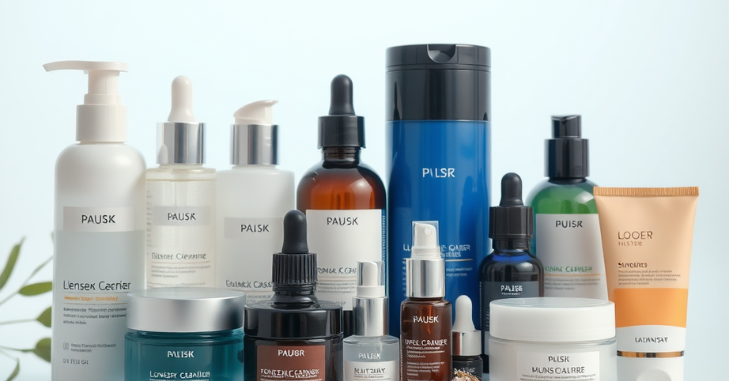
Modern toners are mostly hydrating rather than stripping. Pat a few drops into the skin with your hands, or use a cotton pad if you prefer. Essences are a slightly thicker hydrating step popular in Korean and Japanese routines. You do not need both; pick one if you want an extra layer of hydration, and skip both if your routine already feels long enough.
4. Serums and targeted treatments
Serums hold the highest concentration of active ingredients, so choose them by concern: vitamin C for brightness and antioxidant support in the morning, niacinamide for oil control and uneven tone, hyaluronic acid for hydration, and retinol or other retinoids for texture and fine lines at night. If you use two serums, apply the thinner one first. Hyaluronic acid works best on slightly damp skin, followed quickly by moisturizer so the water it holds does not evaporate.
5. Eye cream
Use your ring finger to tap a rice-grain amount along the orbital bone, not right up to the lash line. If you use retinol on your face, many people apply eye cream first as a buffer so the stronger product does not migrate into this thin skin. If your moisturizer is fragrance-free and gentle, you can also simply use it around the eyes instead of a separate product.
6. Spot treatment
Benzoyl peroxide, salicylic acid, sulfur or azelaic acid spot treatments go on after serums and before moisturizer, applied only to the area that needs them. Pimple patches go on clean, dry skin and are best applied before creams so they stick properly.

7. Moisturizer
Moisturizer seals the earlier layers in and supports the skin barrier. Look for gel creams if you are oily, richer creams with ceramides, glycerin or shea butter if you are dry, and fragrance-free formulas if you are sensitive. With combination skin, use a light lotion all over and add a richer cream only on dry patches. A pea-to-almond-sized amount covers most faces.
8. Face oil (optional)
A few drops of oil pressed over moisturizer can help dry or mature skin hold on to water, especially at night or in winter. Squalane and jojoba are generally lightweight choices. Oily and acne-prone skin can usually skip this step entirely.
9. Sunscreen (morning only)
The American Academy of Dermatology recommends a broad-spectrum sunscreen of SPF 30 or higher for daily use. Apply roughly two finger lengths for the face and neck, let it set for a few minutes before makeup, and reapply about every two hours when you are outdoors, or after swimming or sweating. Makeup with SPF is a nice extra but rarely applied thickly enough to replace a dedicated sunscreen.
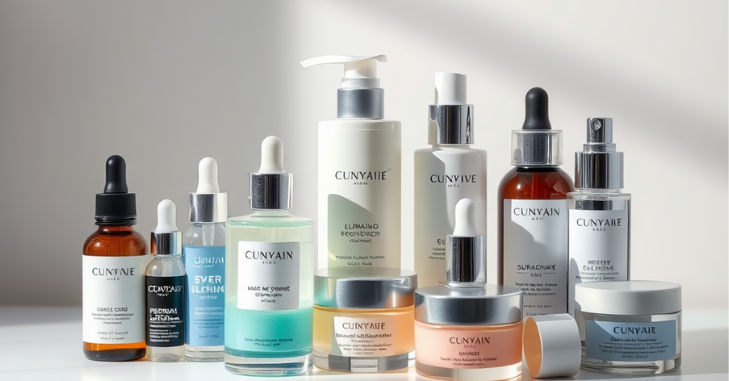
Skincare Layering Order at a Glance
| Step | Morning | Evening | Typical texture |
|---|---|---|---|
| Cleanser | Water or gentle cleanser | Double cleanse if wearing makeup or SPF | Gel, foam, cream, balm |
| Exfoliant | Rarely | 2 to 3 nights a week | Liquid or pad |
| Toner or essence | Optional | Optional | Watery |
| Serum | Vitamin C, niacinamide, hyaluronic acid | Retinoid, peptides, hydrating serum | Thin liquid or gel |
| Eye cream | Optional | Optional | Gel or light cream |
| Spot treatment | If needed | If needed | Gel or cream |
| Moisturizer | Light | Richer if dry | Lotion or cream |
| Face oil | Rarely | Optional | Oil |
| Sunscreen | Always, last step | No | Lotion, fluid or gel |
How Long to Wait Between Layers
For most products, 30 to 60 seconds is enough: wait until the previous layer no longer feels wet. Longer waits are mainly useful in three cases: after a chemical exfoliant (a few minutes helps reduce stinging), before sunscreen (so it does not pill), and before makeup. Some people with sensitive skin also wait 10 to 20 minutes after cleansing before applying a retinoid, because completely dry skin tends to sting less.
If products roll into little balls, you are usually using too much, rubbing too hard, or combining formulas that do not play well together, often silicone-heavy creams with water-based sunscreens. Try pressing products in rather than rubbing, using less of each layer, or switching one product for a formula from the same brand family.
Ingredients That Should Not Share a Routine
- Retinoids and strong acids: using both on the same night raises the chance of redness and peeling. Alternate nights instead.
- Benzoyl peroxide and retinol: some benzoyl peroxide products can reduce the stability of certain retinoids. Many people use benzoyl peroxide in the morning and the retinoid at night.
- Vitamin C and exfoliating acids: not harmful for everyone, but together they can sting. Keep vitamin C for the morning and acids for the evening.
- Too many new products at once: introduce one new product every one to two weeks so you know what caused a reaction.
Niacinamide and vitamin C are often said to clash, but that concern comes from older research done under very different conditions. Most people can use them in the same routine without trouble.

A simple weekly active schedule
| Night | Option for most skin | Gentler option for sensitive skin |
|---|---|---|
| Monday | Retinoid | Retinoid |
| Tuesday | Exfoliating acid | Recovery: moisturizer only |
| Wednesday | Recovery: moisturizer only | Recovery: moisturizer only |
| Thursday | Retinoid | Retinoid |
| Friday | Exfoliating acid | Recovery: moisturizer only |
| Saturday | Recovery: moisturizer only | Exfoliating acid (if tolerated) |
| Sunday | Retinoid | Recovery: moisturizer only |
Recovery nights give the barrier time to settle and make it easier to spot which product causes a problem if irritation appears.
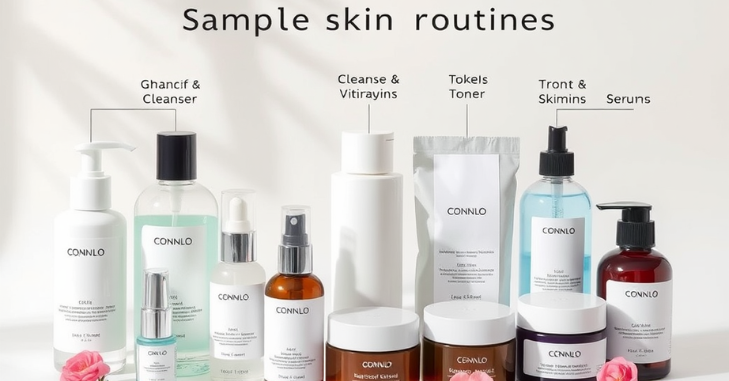
Sample Routines by Skin Type
Dry skin
Morning: cream cleanser or water, hydrating essence, hyaluronic acid serum on damp skin, rich moisturizer, sunscreen. Evening: balm cleanser, hydrating toner, retinoid two or three nights a week, ceramide cream, a few drops of face oil. Apply products while skin is still slightly damp to trap more water.
Oily and acne-prone skin
Morning: gel cleanser, niacinamide serum, oil-free gel moisturizer, lightweight or mattifying sunscreen. Evening: gel cleanser (double cleanse if wearing makeup), salicylic acid two or three nights a week, retinoid on other nights, light moisturizer. Look for non-comedogenic on labels, and do not skip moisturizer, because dehydrated skin can look oilier.
Combination skin
Morning: gentle gel cleanser, hydrating toner, vitamin C or niacinamide serum, light lotion all over with a little extra cream on the cheeks, sunscreen. Evening: cleanse, exfoliate only the T-zone on some nights, serum, then moisturizer adjusted by zone.
Sensitive skin
Morning: rinse with water or a creamy cleanser, soothing serum with ingredients such as centella, panthenol or colloidal oatmeal, fragrance-free moisturizer, mineral sunscreen (zinc oxide or titanium dioxide). Evening: gentle cleanser and a barrier cream. Add actives slowly, patch test on the jawline or inner arm first, and keep the routine short.
Common Layering Mistakes
- Using several exfoliating products (acid toner, scrub and retinoid) in one routine.
- Putting face oil under serums, which blocks them from reaching the skin.
- Skipping sunscreen on cloudy days or while using retinoids and acids, which make skin more sun-sensitive.
- Applying too little sunscreen, which lowers the protection you actually get.
- Judging a product after a few days, when most actives need four to twelve weeks of consistent use to show results.
- Changing the whole routine at once after a breakout, which makes it impossible to tell what helped.
Your base routine also affects how makeup sits. If you are preparing for an event, our guide to wedding makeup ideas covers how to prep skin so foundation stays smooth for hours.
Frequently Asked Questions
What is the correct order to apply skincare?
Cleanser, toner or essence, serum, eye cream, spot treatment, moisturizer, face oil if used, and sunscreen as the final morning step. Work from the thinnest texture to the thickest, and keep sunscreen last.
Does serum go before or after moisturizer?
Before. Serums are thinner and carry concentrated actives, so they need direct contact with the skin. Moisturizer goes on top to seal them in and reduce water loss.
Should face oil go before or after moisturizer?
In most routines, after moisturizer, because oil can block water-based products from absorbing. In the morning, sunscreen still goes on last, over any oil.
How long should I wait between skincare steps?
Usually 30 to 60 seconds, until the previous layer no longer feels wet. Wait a few minutes after exfoliating acids and before applying sunscreen or makeup to reduce stinging and pilling.
Can I use retinol and vitamin C together?
Most people get the best results by using vitamin C in the morning and retinol at night. This spreads out the actives and lowers the chance of irritation while still giving you the benefits of both.
How many products should a skincare routine have?
A solid routine can be just three steps: cleanser, moisturizer and sunscreen in the morning, plus one targeted serum or treatment at night. Add more layers only when you have a specific concern to address.
Bottom Line on Layering Skincare
Go thin to thick, keep water-based products under oils, use one main active per routine and finish every morning with sunscreen. Start with a short routine for your skin type, add new products one at a time, and give each one several weeks before judging it.
This article is general information, not medical advice. For persistent acne, rashes or reactions, see a board-certified dermatologist.