

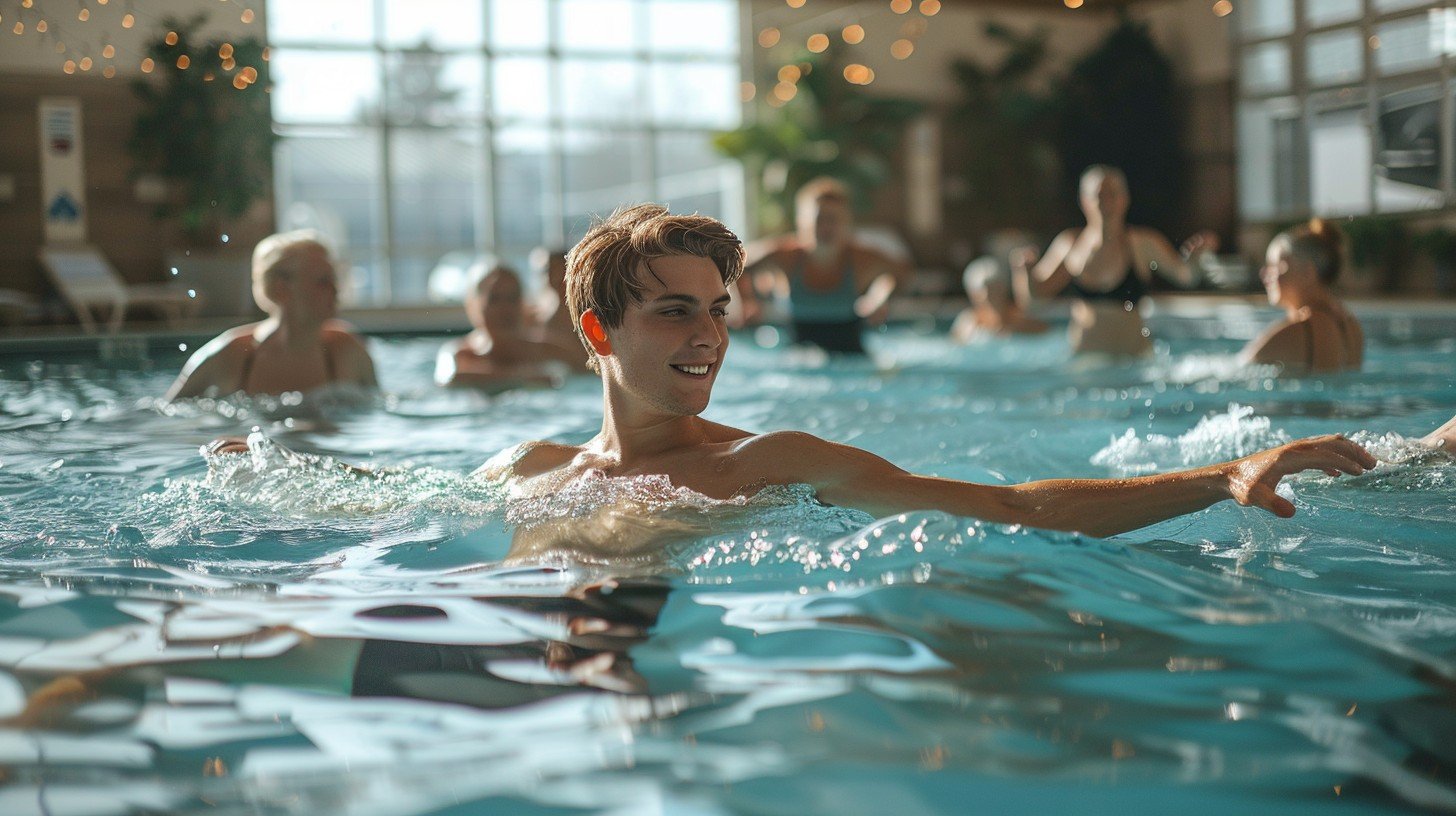
Rashies make swimming enjoyable year-round because one garment does several jobs. A UPF 50+ rashie blocks most of the sun’s UV rays in summer, stops chafing from boards and sand, guards against mild stingers and sea lice, and, in long-sleeve or thermal versions, adds a light layer of warmth when the water cools in fall and winter.
They dry quickly, never need reapplying like sunscreen and suit everyone from toddlers to lap swimmers. This guide explains how rashies work, which type suits each season and sport, how to choose the right fit and rating, and how to make one last.
What is a rashie?
A rashie, also called a rash vest or rash guard, is a close-fitting top made from stretchy synthetic fabric, usually nylon or polyester blended with elastane (spandex). It was first designed for surfers to prevent “board rash,” the irritation caused by rubbing against wax and fiberglass while paddling. The name “rashie” comes from Australia, where the garment is standard beachwear, but rash guards are now common on beaches and at pools across the US for swimming, surfing, snorkeling, paddleboarding and simply playing in the sand.
Sun protection: how UPF works
Sun-protective clothing is rated by its Ultraviolet Protection Factor (UPF), which measures how much UV radiation passes through the fabric. UPF 50+ is the top category under both the US labeling guidelines (ASTM D6603) and the Australian and New Zealand standard AS/NZS 4399. A UPF 50 fabric lets through only around one fiftieth of the UV radiation that reaches it.
That matters because UV exposure is the main preventable cause of skin cancer. Health bodies recommend combining protective clothing with shade, a wide-brimmed hat, sunglasses and a broad-spectrum sunscreen on exposed skin. A rashie covers a large area of skin without reapplying after every swim, which helps a lot with children who will not stand still for sunscreen.
Protection depends on coverage. A long-sleeve rashie protects far more skin than a short-sleeve one, and exposed areas such as the face, neck, hands and legs still need sunscreen. Ordinary cotton T-shirts are a poor substitute: they offer less protection to begin with, and much less once wet and stretched.
Rashies through the seasons
| Season | Best rashie type | Why |
|---|---|---|
| Summer | Lightweight long-sleeve UPF 50+ rashie | Maximum sun coverage without overheating |
| Fall | Standard long-sleeve or zip-front rashie | Sun protection plus a little wind protection when out of the water |
| Winter (heated pools, mild seas) | Thermal rashie with fleece or thermal lining | Adds warmth without the bulk of a full wetsuit |
| Spring | Long-sleeve rashie, thermal for early-morning swims | UV levels climb quickly even while the water is still cool |
Thermal rashies are a useful middle ground. They will not keep you as warm as a wetsuit in cold ocean water, but for heated pools, swim lessons, mild coastal water or as an extra layer under a wetsuit, they can noticeably extend comfortable swim time. For genuinely cold water, a proper wetsuit is still the right choice.
Protection beyond the sun
- Chafing and board rash. A snug rashie stops skin rubbing on surfboards, bodyboards and wetsuit seams.
- Stingers and sea lice. A rashie gives a barrier against mild jellyfish stings and sea lice, though it will not protect against dangerous species such as box jellyfish. In tropical waters during stinger season, wear a full-body stinger suit and swim at beaches with lifeguards.
- Scrapes. It reduces grazes from rocks, reef, sand and rough pool edges.
- Chlorine and salt. Covering the skin can reduce the dryness some people notice after long sessions in pools or the ocean.
- Modesty and confidence. Many swimmers simply feel more comfortable with extra coverage, which makes them more likely to get in the water.
How rashies compare with sunscreen alone
Sunscreen is still essential, but it has practical weak points in the water. Most people apply too little, miss spots on the back and shoulders, and forget to reapply after swimming or toweling off. A rashie removes most of that guesswork for the torso and arms, so you only need to manage the smaller areas it leaves uncovered.
Rashies for training and performance
For swimmers doing laps, surfers paddling for hours or triathletes training in open water, a well-fitted rashie avoids the drag and flapping you get from a loose T-shirt. Tighter, compression-style designs feel supportive and stay in place during dives and duck-dives. They are not a substitute for racing swimwear in competition, but for training and recreational swimming they are comfortable and practical.
Matching the rashie to your water sport
| Activity | What to look for | Why |
|---|---|---|
| Surfing and bodyboarding | Snug long sleeves, flatlock seams, slightly longer body | Prevents chest and underarm rash and stays tucked into boardshorts |
| Lap swimming | Close fit, chlorine-resistant fabric, short sleeves for indoor pools | Keeps drag low and lasts longer in chlorine |
| Snorkeling | Long-sleeve UPF 50+ top plus leggings or a full suit | Your back faces the sun for long periods while face-down |
| Paddleboarding and kayaking | Light color, long sleeves, breathable fabric, optional hood | You spend more time out of the water in direct sun |
| Swim lessons and aqua fitness | Thermal lining | Keeps children and adults warm while standing still in the water |
How to choose the right rashie
Check the rating
Look for a UPF 50+ label tested to a recognized standard such as ASTM D6603 or AS/NZS 4399. Be wary of vague claims like “sun safe” with no rating behind them.
Get the fit right
A rashie should be snug but not restrictive. Too loose and it balloons with water and rides up; too tight and it digs in at the armpits and restricts your stroke. For children, a little growing room is fine, but a very baggy rashie loses both comfort and coverage. Try raising your arms overhead in the fitting room: the hem should stay near your waist.
Pick the style
- Long sleeve: the best sun protection for adults and kids.
- Short sleeve: cooler, but leaves arms exposed.
- Zip-front: easier to put on and take off, helpful for younger children.
- Full-body sunsuits: ideal for toddlers and babies, covering arms and legs in one piece.
- Thermal: lined for warmth in cooler water.
Consider the fabric
Chlorine-resistant fabrics last longer in pools. Many brands now use recycled polyester or nylon made from post-consumer waste, a good option for eco-conscious swimmers. Flatlock seams reduce rubbing on long sessions, and a smooth inner finish helps if you plan to layer under a wetsuit.
Specialist water sports brands such as Sharkskin make both thermal and standard rashies, which makes it easier to find options for summer and the cooler months from one range.
Quick buying checklist
- UPF 50+ label from a recognized test standard
- Long sleeves unless you only swim indoors
- Snug fit that stays put with arms overhead
- Flatlock seams and chlorine-resistant fabric
- Bright color for kids, light color for long days in the sun
- A thermal version if you swim in cool water or take early-morning lessons
Rashies for children
Rashies are especially valuable for kids, who spend long stretches in the water and often miss sunscreen spots. Many summer camps and swim programs encourage them for outdoor swimming. Choose bright colors so children are easier to spot in the water, long sleeves for maximum coverage, and pair the rashie with a wide-brimmed or bucket hat and sunscreen on the face, legs and hands. Zip-front styles make changing easier when little ones are cold and wet.
Caring for your rashie
- Rinse in cool fresh water after every swim to remove salt, chlorine and sand.
- Hand wash with mild detergent; avoid bleach and fabric softener.
- Dry flat or on a hanger in the shade; direct sun and tumble dryers break down elastane.
- Avoid sitting on rough surfaces such as pool decks and concrete, which cause pilling.
- Replace a rashie when it becomes thin, loses its stretch or turns see-through when stretched, as protection may be reduced.
On cooler days, pack a warm layer for after your swim. A soft hoodie over a dry rashie is a simple way to stay comfortable on the walk home; see our guides to the best hoodies for women and the best hoodies for men for ideas.
Common rashie mistakes
- Skipping sunscreen on uncovered skin: the rashie only protects what it covers.
- Buying a size up “for comfort”: a loose rashie rides up, drags and exposes your back.
- Leaving it wet in a bag: salt and chlorine sitting in the fabric shorten its life and cause odors.
- Wearing a worn-out rashie: thin, overstretched fabric lets more UV through.
- Relying on a thermal rashie in cold surf: it adds warmth, but it is not a wetsuit.
Rashie vs wetsuit vs swim shirt
| Garment | Warmth | Sun protection | Best use |
|---|---|---|---|
| Rashie | Low | High if UPF 50+ | Warm water, sun protection, surfing |
| Thermal rashie | Moderate | High | Cool pools, mild seas, layering |
| Wetsuit | High | High on covered skin | Cold water, long sessions |
| Loose swim shirt | Low | Varies | Casual beach use, less active swimming |
Bottom Line
A long-sleeve UPF 50+ rashie is the simplest way to stay protected and comfortable in the water from spring to fall, and a thermal version stretches the season into winter at the pool. Choose a snug fit and a recognized UPF label, rinse it after every swim, and keep using sunscreen and a hat on uncovered skin.
Frequently Asked Questions
Do rashies protect against sunburn?
Yes. A rashie rated UPF 50+ blocks most UV radiation on the skin it covers. You still need sunscreen, a hat and sunglasses for exposed areas.
Can you wear a rashie in winter?
Yes. Thermal rashies add warmth for heated pools and mild water, and they can be worn under a wetsuit. For cold ocean water, a wetsuit is still needed.
What UPF rating should a rashie have?
Choose UPF 50+, the highest category under US labeling guidelines and the Australian and New Zealand standard AS/NZS 4399.
Should a rashie be tight or loose?
Snug but comfortable. A close fit stops it riding up and reduces drag, while still allowing free movement of the arms and shoulders.
Do rashies protect against jellyfish?
They help with mild stingers and sea lice, but not dangerous species such as box jellyfish. In tropical waters during stinger season, wear a full stinger suit and swim at lifeguarded beaches.
What is the difference between a rashie and a rash guard?
None. Rashie is the Australian nickname and rash guard is the common US term for the same close-fitting, quick-drying swim top.
This article is general information, not medical advice. See a doctor or dermatologist about any skin changes or concerns.