

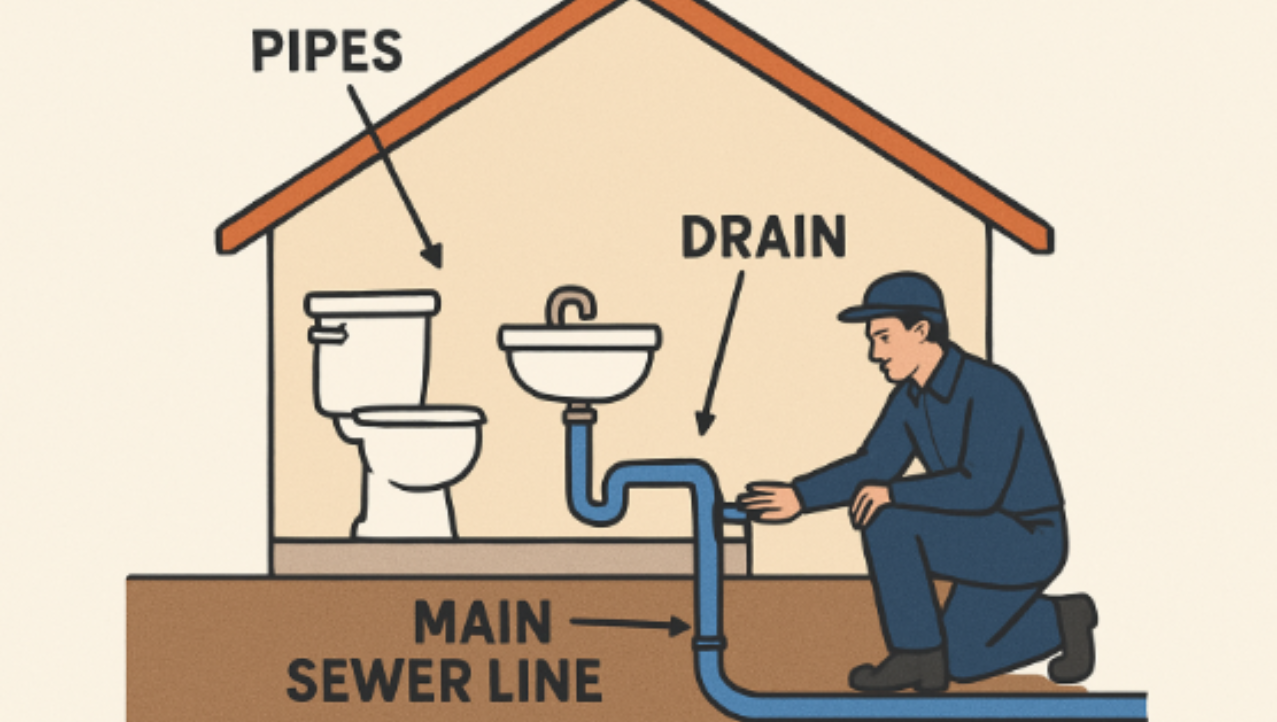
Understanding Your Sewer System
Your home’s sewer system is a vital yet often overlooked network responsible for carrying wastewater safely away from your property to the municipal sewer system. When maintained properly, it offers years of reliable service. On the other hand, neglect can quickly lead to backups, unpleasant odors, and costly repairs. That’s why homeowners are encouraged to make sewer cleaning and general maintenance a part of their routine property care, ensuring plumbing infrastructure stays efficient and trouble-free.
At its basic level, the system consists of drains, vent pipes, and the main sewer line. Each component plays a crucial role in moving waste and preventing toxic gases from entering your home. Understanding these elements, along with their vulnerabilities, provides a foundation for prevention and empowers you to recognize early warning signs before they escalate. Regular professional sewer cleaning is an investment in your home’s longevity.
Regular Inspections and Maintenance
The most effective way to avoid disaster is by proactively assessing your sewer system’s condition. Plumbers equipped with video camera inspection technology can identify cracked pipes, growing clogs, or signs of corrosion before these issues turn into emergencies. Routine sewer cleaning also plays a key role in maintaining clear and functional lines, helping to prevent backups and blockages caused by grease buildup, tree roots, or debris. Even if your pipes seem to be functioning well, scheduling annual or bi-annual check-ups helps identify minor issues in their earliest and most manageable stages. Preventive maintenance may also include hydro jetting, where powerful streams of water clear out accumulated debris and grease. A combination of regular inspections and proactive cleaning saves you money in the long run and helps prevent emergencies, such as basement flooding or hazardous sewage spills, which can pose health risks.
Proper Waste Disposal Practices
Everyday actions can make or break your sewer system. Non-biodegradable objects such as baby wipes, feminine hygiene products, and paper towels increase the risk of blockages and should never be flushed. Similarly, many kitchen clogs stem from pouring oil, grease, or food scraps down the sink. Instead, collect grease in a sealable container and dispose of it with your household trash.
Adopting drain screens is a simple but effective tactic to keep food particles, coffee grounds, and hair out of your pipes. According to the EPA, following proper care guidelines can significantly reduce plumbing issues and environmental damage. Educating your household on these basic rules prevents costly clogs, protects your local environment, and keeps maintenance bills low.
Managing Tree Roots
Tree roots naturally seek moisture and often penetrate small cracks in sewer lines, leading to extensive clogs or even pipe collapses. Homeowners can avoid these problems by not planting trees and large shrubs with invasive roots near sewer lines. For existing landscape challenges, install physical root barriers designed to redirect root growth away from vulnerable pipes.
Early Detection and Solutions
Regularly scheduled inspections utilize video or sonar imaging to identify early signs of root infiltration before they cause significant damage. In the event of a root intrusion, professional removal and pipe repair services are strongly recommended. Early intervention reduces the risk of extensive excavations and helps preserve your plumbing.
Installing Backwater Prevention Valves
Backwater valves are essential safeguards for households located in regions prone to flooding or where the municipal sewer system is susceptible to overload. These devices permit wastewater to flow out of your home but close automatically if water tries to reverse direction during storm surges or system backups, preventing hazardous waste from flooding your living space.
Annual valve inspections and periodic cleaning are crucial for ensuring these devices function properly in emergency situations. Professionals can install, assess, and maintain backwater valves as part of a broader preventative maintenance plan.
Educating Household Members
Keeping your sewer system problem-free is a team effort. A quick family meeting can help make everyone aware of what belongs—and doesn’t belong—in your home’s drains. Post simple reminders in bathrooms and kitchens, emphasizing the dangers of flushing non-degradable objects, and encourage the use of drain traps or strainers wherever possible. A well-educated household is your first defense against inconvenient and expensive plumbing failures.
Seeking Professional Assistance
While diligent homeowners can handle many preventative steps, expert insight is irreplaceable for thorough inspections, advanced drain cleaning, and major repairs. Licensed plumbers can also recommend maintenance schedules tailored to your property, address unique vulnerabilities, and install advanced protective measures as needed. Building a relationship with a trusted local plumber ensures you have reliable help when complex issues arise.
Conclusion
Protect your home from unexpected sewer disasters by making preventative care a priority. Embrace regular inspections, establish smart waste disposal habits, manage landscaping to thwart root invasions, install backwater prevention valves, foster collective responsibility within your household, and seek professional guidance as needed. A clean, well-maintained sewer system ensures your peace of mind, preserves your investment, and keeps your home safe and secure.
Apart from that, if you want to know more about Rat Exterminator Cost: How Much It Really Costs in Chicago, Auckland, Bangalore, and Los Angeles then visit our Home Improvement category.