
Before laser hair removal, shave the area a day or two ahead, never wax or pluck, stay out of the sun, skip self-tanner and pause harsh skincare actives. After treatment, keep the skin cool and protected with sunscreen, avoid heat, sweat and exfoliation for a couple of days, and let treated hairs shed on their own. Following these rules lowers the risk of burns and pigment changes and helps every session work as well as possible.
The same principles apply whether you book a clinic or use a home device. Below you’ll find the reasoning behind each rule, a week-by-week care timeline, area-specific tips, the most common mistakes, and the warning signs that mean you should stop and get professional advice.
How Laser Hair Removal Works (and Why Prep Matters)
Laser and intense pulsed light (IPL) devices emit light that is absorbed by melanin, the pigment in hair. The light turns into heat, which travels down the hair shaft and damages the follicle so it grows finer, slower hair or stops producing hair. Almost every before-and-after rule comes from two consequences of that process:
- The hair has to be in the follicle. Waxing or plucking removes the root, leaving nothing for the light to travel down, so the session has little effect.
- Skin pigment competes with hair pigment. A tan, or darker skin treated with the wrong device or settings, absorbs more energy and raises the risk of burns, blisters and dark or light patches.
Laser works best on dark hair. Blonde, red, gray and white hairs contain little melanin, so results on those colors are usually limited. Most providers describe the outcome as long-term hair reduction rather than guaranteed permanent removal, and occasional maintenance sessions are normal.
Clinic Laser vs. At-Home Device
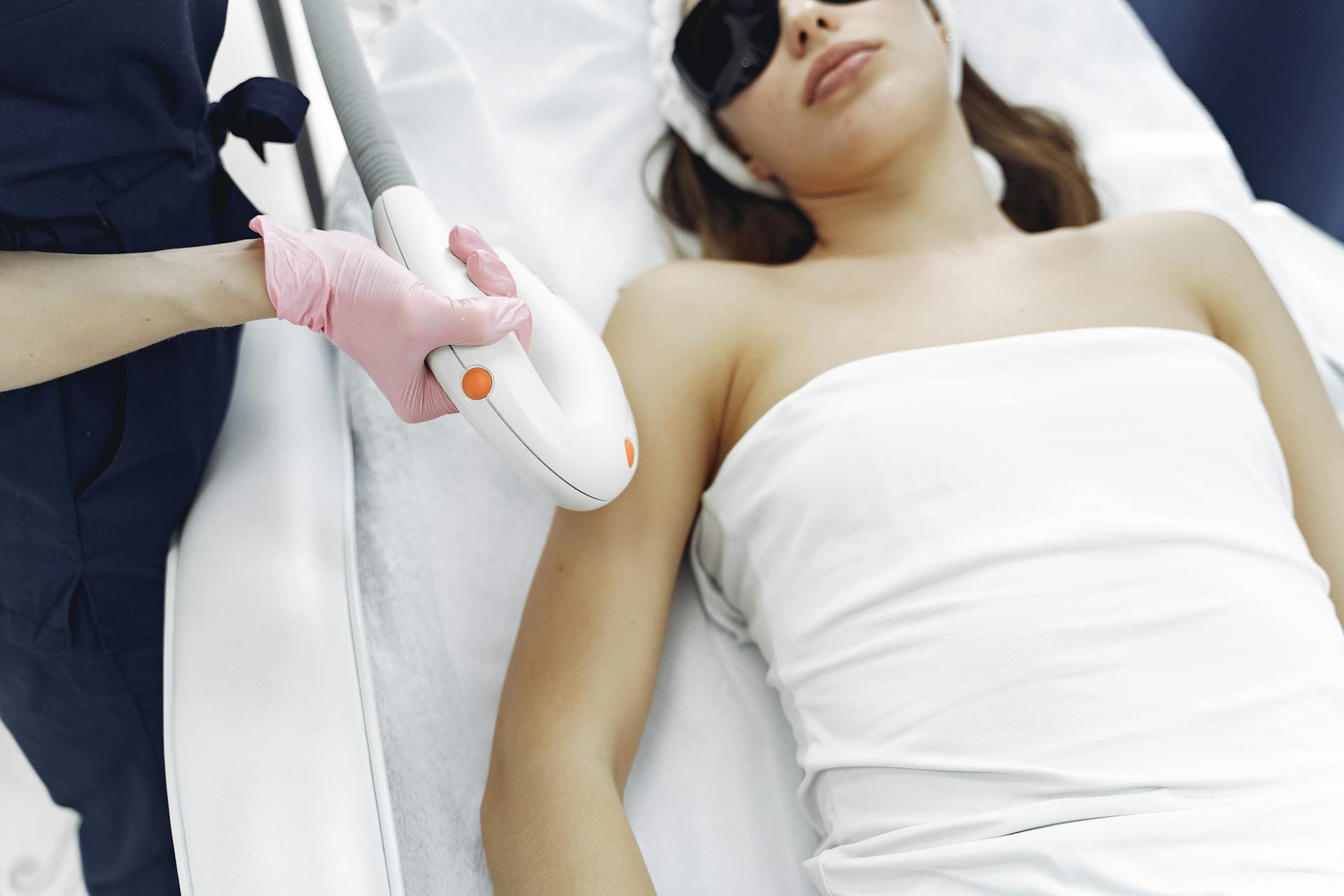
Clinics use medical lasers such as diode, alexandrite or Nd:YAG, operated by trained staff who adjust settings for your skin tone and hair. At-home devices are mostly IPL, use lower energy and are designed for self-use on suitable skin tones. Brands such as Ulike, which has developed IPL devices for over a decade, promote laser hair at home removal as a convenient, lower-cost route with built-in skin-tone sensors. The prep and aftercare below apply to both, but always follow your device manual or your clinician’s instructions where they differ.
| Factor | Professional laser | At-home IPL |
|---|---|---|
| Energy level | Higher, adjustable by a trained operator | Lower, with preset levels |
| Typical schedule | Several sessions about 4 to 8 weeks apart | Frequent early sessions (often weekly or every two weeks), then occasional top-ups |
| Skin tone suitability | Wider range with the right laser type | Check the skin-tone chart; many devices are not suitable for the darkest skin tones |
| Cost pattern | Pay per session or package | One-off device purchase |
| Supervision | Consultation and patch test by staff | You do the patch test and follow the manual |
Dos and Don’ts Before Laser Hair Removal
Do shave 24 to 48 hours before
Shaving removes hair above the skin so energy isn’t wasted heating surface hair, which can singe and irritate the skin, while leaving the root for the light to target. Shaving a day or so ahead gives small nicks or razor irritation time to settle. Use a clean, sharp razor, shave in the direction of growth on sensitive areas, and avoid shaving over broken skin.
Don’t wax, pluck, thread or epilate
These methods pull hair out at the root. Many clinics ask you to stop them around four to six weeks before your first session and throughout the course. Depilatory creams are also best avoided in the days before treatment because the chemicals can leave skin irritated.
Don’t tan or use self-tanner
Sunbathing, tanning beds and fake tan all add pigment to the skin surface. Common advice is to avoid tanning for at least two weeks, sometimes longer, before a session. If you have to be outdoors, cover the area and apply broad-spectrum SPF 30 or higher. If you turn up tanned, a careful clinic may lower the settings or reschedule, and a home device’s skin sensor may refuse to flash.
Don’t use harsh actives for about a week
Retinoids, strong exfoliating acids such as glycolic or salicylic acid, scrubs and chemical peels make skin more reactive. Pause them on the treatment area for roughly a week before and after, or as your provider advises. Tell your provider about prescription acne medication or any drug known to increase light sensitivity; some medications mean treatment should be delayed.
Do arrive with clean, product-free skin
On the day, remove makeup, deodorant, body lotion, oils and perfume from the area. Product residue can interfere with the light or irritate the skin once it heats up.
Do a patch test and share your health history
A patch test on a small area, checked after 24 to 48 hours, shows how your skin reacts. Mention pregnancy, a history of cold sores (treatment near the mouth can trigger a flare), keloid scarring, recent sunburn, tattoos and moles in the area, since these usually need to be avoided or treated with extra care.
Dos and Don’ts After Laser Hair Removal
Do cool and soothe the skin
Mild redness and small raised bumps around the follicles are common for a few hours to a couple of days. A cool compress, fragrance-free moisturizer or plain aloe vera gel helps. Avoid scented or alcohol-based products on the area for the first day or two.
Don’t expose treated skin to heat or friction
For about 24 to 48 hours, skip hot baths, saunas, steam rooms, hot yoga and workouts that make you sweat heavily. Chlorinated pools can sting freshly treated skin. Wear loose, breathable clothing over areas such as the bikini line or underarms.
Do wear sunscreen every day
Treated skin is more prone to sunburn and pigment changes. Use broad-spectrum SPF 30 or higher on exposed areas, reapply when outdoors, and keep avoiding tanning between sessions for the whole course.
Don’t scratch, pick or exfoliate
Picking at bumps or flaking skin raises the risk of infection and marks. Hold off on scrubs and exfoliating acids for several days, then reintroduce them gently.
Do expect shedding, not instant results
One to three weeks after a session, treated hairs often push out and fall away. This can look like regrowth but is the hair shedding. Don’t pluck; shaving between sessions is fine. Because only hairs in the active growth phase respond at any one time, you need a series of sessions to catch every follicle at the right stage.
Care Timeline at a Glance
| When | What to do |
|---|---|
| 4 to 6 weeks before | Stop waxing, plucking, threading and epilating |
| 2 weeks or more before | No tanning, sunbeds or self-tanner; use SPF daily |
| About 1 week before | Pause retinoids, acids and scrubs on the area |
| 24 to 48 hours before | Shave the area; patch test if using a new device |
| Day of treatment | Clean, product-free skin; mention any health or medication changes |
| First 48 hours after | Cool compresses; no heat, heavy sweating or tight clothing |
| First week after | Gentle skincare only, daily SPF, no picking |
| 1 to 3 weeks after | Expect shedding; shave if needed, don’t pluck |
| Between sessions | Keep to the schedule and keep avoiding tanning |
Area-Specific Tips
- Face and upper lip: skin here is thin and often exposed to the sun, so daily SPF matters most. If you get cold sores, ask your provider about precautions before treating near the mouth.
- Underarms: skip deodorant and antiperspirant on the day and for about 24 hours after, as they can sting. Wear loose tops.
- Bikini line: shave carefully, ideally the day before, and choose loose cotton underwear afterward to reduce friction.
- Legs: a large area, so shave the night before to avoid rushing. Plan sessions away from beach holidays.
- Back and chest: ask someone to help with shaving, since missed patches of hair can heat up and irritate the skin.
How to Use an At-Home Device Safely
- Check the manufacturer’s skin-tone and hair-color chart to confirm the device suits you.
- Shave the area and make sure skin is clean and completely dry.
- Do a patch test on a small area and wait 24 to 48 hours.
- Start on the lowest comfortable setting and increase gradually if there’s no reaction.
- Avoid flashing over tattoos, moles, broken skin or the same spot twice in one session.
- Follow the recommended schedule rather than treating more often, which won’t speed up results.
- Apply aftercare as above and track sessions so you notice changes over time.
Common Mistakes to Avoid
- Waxing between sessions because shaving feels like a step backward.
- Booking a session right after a beach trip or tanning bed visit.
- Treating sunburned or irritated skin instead of waiting for it to heal.
- Skipping sessions, which leaves follicles that were dormant untreated.
- Going to the gym or sauna straight after treatment.
- Expecting smooth skin after one session and quitting too early.
When to Stop and Get Advice
Contact your provider or a doctor if you notice blistering, crusting, oozing, spreading redness, increasing pain, swelling that worsens after the first day, or patches of skin that turn noticeably darker or lighter. If you use a home device, stop using it on that area until the skin has fully healed and you’ve had advice. This article is general information, not medical advice; speak to a qualified clinician or dermatologist about your skin, medications and health conditions before starting treatment.
Bottom Line
Good results from laser hair removal come from consistency: shave rather than wax, keep the skin untanned, pause harsh actives, treat your skin gently for 48 hours afterward and wear sunscreen throughout your course. Stick to the schedule your clinic or device recommends, and stop if your skin reacts badly.
Frequently Asked Questions
Should I shave before laser hair removal?
Yes. Shave the area about 24 to 48 hours before treatment. Don’t wax, pluck or epilate, because the laser needs the hair root in place to work.
Can I work out after laser hair removal?
Light activity is usually fine, but avoid intense exercise that makes you sweat heavily, along with saunas and hot baths, for about 24 to 48 hours after treatment.
How long should I avoid the sun before and after treatment?
Common advice is to avoid tanning for at least two weeks before and after each session. Wear broad-spectrum SPF 30 or higher on treated areas throughout your course.
Why does hair seem to grow back after a session?
Treated hairs often shed one to three weeks after a session, which can look like regrowth. Hairs that weren’t in the growth phase are targeted in later sessions.
Can I wear deodorant after underarm laser hair removal?
It’s best to skip deodorant and antiperspirant for about 24 hours after treatment, since they can sting and irritate freshly treated skin. Follow your provider’s specific advice.
Is laser hair removal permanent?
It usually gives long-term hair reduction rather than guaranteed permanent removal. Many people need occasional maintenance sessions to keep results.