

Lower Ab Workouts
Maintaining a strong and toned lower abdomen is an important goal for many women, as it contributes to overall fitness, posture, and core stability. Achieving this can be challenging due to factors such as hormonal changes, lifestyle habits, and pregnancy-related adjustments. Incorporating effective lower ab workouts into a regular fitness routine not only helps in reducing lower belly fat but also strengthens the core, improves balance, and supports daily movements.
This article explores a variety of lower ab workouts, explains the common causes of belly fat, and provides strategies for managing abdominal discomfort during early pregnancy, offering a comprehensive approach to women’s core health and fitness.
| Topic | Overview |
| Lower Ab Workouts | Strengthen core, improve posture, reduce lower belly fat, and support daily movements. |
| Lower Abdominal Muscles | The rectus abdominis, transverse abdominis, and obliques stabilize the core and support movement and the pelvic floor. |
| Causes of Lower Belly Fat | Hormonal changes, sedentary lifestyle, poor diet, stress, and aging. |
| Effective Exercises | Leg raises, reverse crunches, mountain climbers, flutter kicks, and plank variations. |
| Full-Body Exercise | Combine cardio, strength training, and flexibility routines for better results. |
| Nutrition Tips | High protein, high fiber, hydration, limit sugar/refined carbs, and portion control. |
| Early Pregnancy Pain | Uterine expansion, hormonal changes, and digestive issues; manage with gentle stretches, prenatal yoga, and lifestyle adjustments. |
| Safe Exercises During Pregnancy | Pelvic tilts, modified planks, cat-cow stretches, and seated leg lifts. |
| Lifestyle Changes | Improve posture, adequate sleep, stress management, consistent workouts, and nutrition. |
| Conclusion | Lower ab workouts combined with fitness, diet, and lifestyle habits improve core strength, tone the lower abdomen, and support overall health. |
Understanding Lower Abdominal Muscles

The lower abdomen consists of several muscles, including the rectus abdominis, transverse abdominis, and obliques. These muscles play a vital role in:
- Stabilizing the core and spine
- Supporting daily movements like bending, twisting, and lifting
- Improving posture and balance
- Supporting pelvic floor strength
Focusing on lower ab exercises can help women achieve a stronger core, reduce lower belly fat, and enhance overall physical fitness.
Causes of Lower Belly Fat in Women
Lower belly fat can be stubborn due to a combination of biological and lifestyle factors. Hormonal changes, such as fluctuations in estrogen and progesterone, can increase fat storage in the lower abdomen. A sedentary lifestyle and lack of regular exercise slow metabolism and encourage fat accumulation.
Poor dietary habits, including excess sugar, refined carbs, and processed foods, contribute to weight gain around the belly. Stress also plays a role, as high cortisol levels trigger fat storage, particularly in the abdominal area. Additionally, aging naturally slows metabolism, making it harder to burn fat in targeted areas.
Effective Lower Ab Workouts for Women
Leg Raises
Leg raises are a fundamental lower ab workout that effectively engages the lower rectus abdominis. To perform them, lie flat on your back with your legs extended and place your hands under your glutes for support. Lift your legs slowly to a 90-degree angle, then lower them without letting them touch the floor. This exercise strengthens the lower abs, improves core stability, and can be modified with bent knees for beginners.
Reverse Crunches

Reverse crunches are another essential lower ab workout that targets the lower belly while minimizing strain on the neck and upper abs. Lie on your back and lift your knees toward your chest, using your lower abs to lift your hips off the ground. Slowly return to the starting position. This exercise enhances muscle control and flexibility and effectively tones the lower abdominal area.
Mountain Climbers
Mountain climbers combine cardio and core engagement, making them an excellent lower ab workout for fat burning and overall toning. Begin in a high plank position, then bring one knee toward your chest before quickly switching legs. Continue alternating at a controlled pace. This exercise not only strengthens the lower abs but also improves coordination and agility while increasing heart rate for calorie burn.
Flutter Kicks
Flutter kicks are a simple yet effective lower ab workout that engages the lower abs and hip flexors. Lie flat on your back with your hands under your glutes, lift your legs a few inches off the floor, and alternate small, quick kicks up and down.
Plank Variations
Planks are versatile lower ab workouts that strengthen the entire core. A standard plank involves holding a forearm plank position while keeping the body in a straight line. Side planks are performed by lying on one side, lifting the body using one arm, and holding the position.
Combining Workouts with Full-Body Exercise
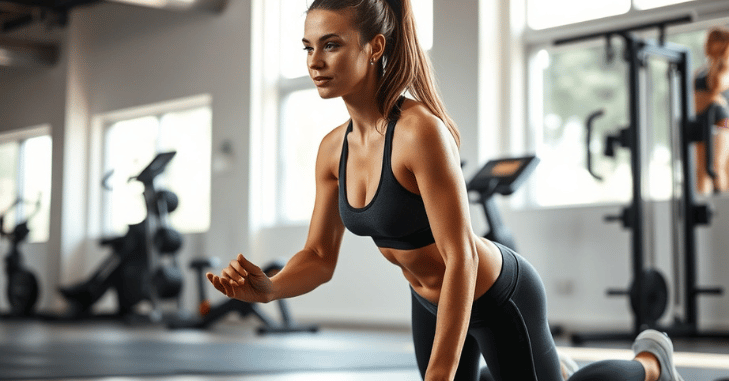
While targeted exercises are crucial, overall fat loss requires combining lower ab workouts with:
- Cardio exercises: Running, cycling, swimming, or brisk walking
- Strength training: Squats, lunges, and resistance workouts help burn fat
- Flexibility routines: Yoga or Pilates for core engagement and stress reduction
Nutrition Tips to Support Lower Ab Workouts
Exercise alone may not be sufficient; pairing lower ab workouts with a proper diet enhances results. Key nutrition tips include:
- Increase protein intake: Eggs, lean meats, beans, and Greek yogurt promote muscle growth and support the effectiveness of lower ab workouts.
- Eat high-fiber foods: Vegetables, fruits, and whole grains aid digestion, reduce bloating, and complement lower ab workouts.
- Stay hydrated: Drinking enough water helps control appetite and supports metabolism.
- Limit sugar and refined carbs: These contribute to fat accumulation in the belly and can hinder progress from lower ab workouts.
- Practice portion control: Consuming smaller, balanced meals prevents excessive calorie intake and supports fat loss around the lower abdomen.
Understanding Lower Abdominal Pain During Early Pregnancy
Many women experience abdominal discomfort during early pregnancy due to uterine expansion, as the growing uterus stretches surrounding muscles; hormonal changes where progesterone relaxes muscles and ligaments, causing cramping; and common digestive issues such as gas, bloating, and constipation.
To manage this discomfort, women can practice gentle stretches and prenatal yoga, avoid heavy lifting or intense exercises, use heat therapy like a warm compress if recommended by a doctor, stay hydrated, and maintain a balanced diet.
Safe Lower Ab Workouts During Early Pregnancy
Some lower ab exercises are safe in early pregnancy if done carefully:
- Pelvic tilts: Strengthen lower abs without straining the uterus
- Modified planks: Use knees for support to reduce pressure
- Cat-cow stretches: Improve core flexibility and relieve tension
- Seated leg lifts: Gentle activation of abdominal muscles
Lifestyle Changes to Support Lower Ab Health

- Improve posture: Stand and sit straight to engage core muscles
- Get enough sleep: Poor sleep affects hormone balance and fat storage
- Manage stress: Meditation, breathing exercises, and leisure activities reduce cortisol levels
- Stay consistent: Regular workouts and balanced nutrition yield long-term results
nant women should never follow intense routines without guidance
Conclusion
Effective lower ab workouts for women require a combination of targeted exercises, full-body fitness, proper nutrition, and consistent lifestyle habits. Understanding the causes of lower belly fat, incorporating safe lower ab workouts during early pregnancy, and maintaining a regular fitness routine are essential for achieving a toned and strong lower abdomen.
By following these strategies, women can improve their physical appearance, enhance core strength, prevent back pain, and support overall health, making lower ab workouts a key part of a comprehensive wellness plan.
Apart from that, if you want to know more about The Future of Dental Implants: Trends and Projections then visit our Health category.
FAQs
The abdominal muscles can be targeted and strengthened with exercises including planks, crunches, bicycle crunches, Russian twists, leg lifts, and mountain climbers.
Daily abdominal exercises might result in overtraining and muscular exhaustion.
Any activity that increases your heart rate, such as walking, dancing, running, or swimming, is considered aerobic exercise.
It will therefore take about six months to develop noticeable abs if your present body fat percentage is 25%.