

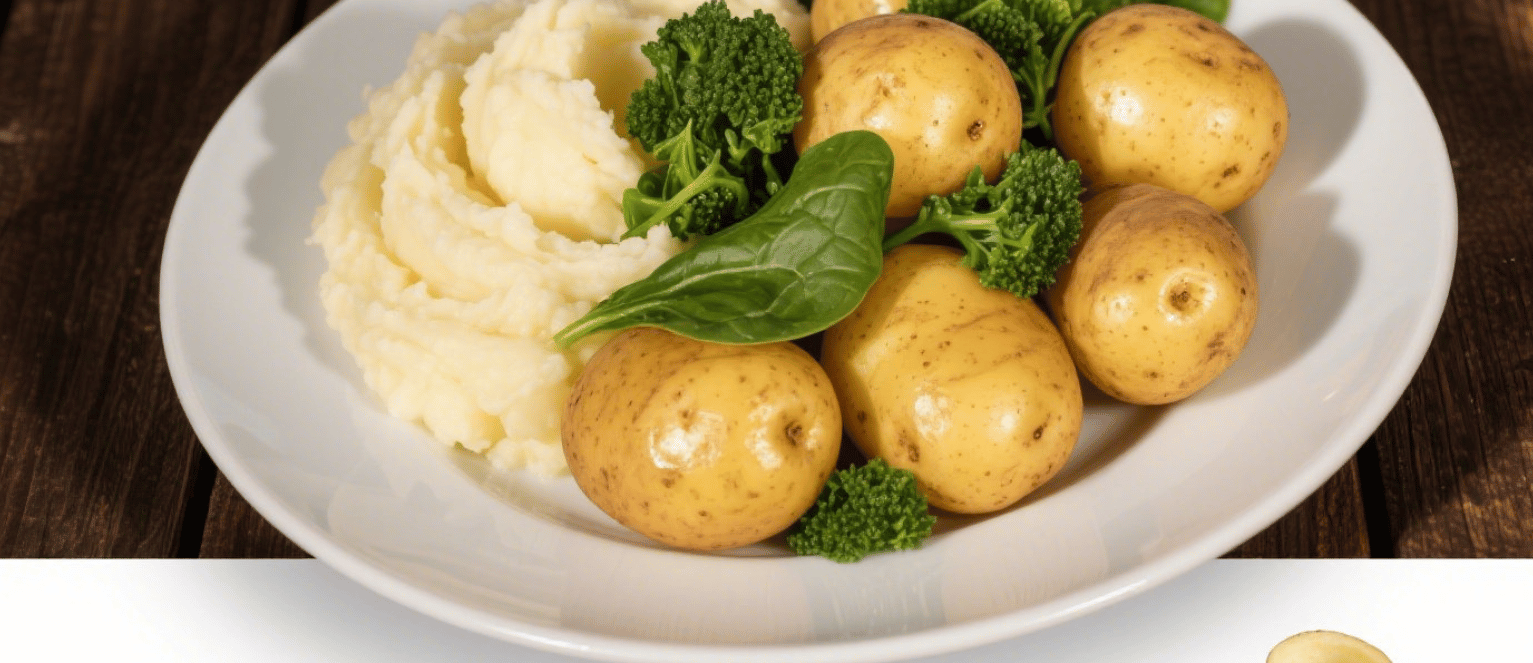
Potatoes have been a mealtime favorite for centuries, appreciated for their versatility, satisfying texture, and comforting flavor. From mashed and roasted to baked and fried, they’re a staple in homes around the world. But amid all the love for these golden tubers, one question often arises: Are potatoes as good for you as they taste?
The quick response? Yes, potatoes can definitely be a healthy addition to your diet if they are prepared properly and consumed in moderation. Let’s take a closer look at the nutritional value of potatoes and how they stack up when it comes to health.
What’s Inside A Potato?
A medium-sized potato (around 150 grams) offers more than just carbohydrates. Here’s a snapshot of its nutritional content:
- 110 calories.
- 0 grams of fat.
- 26 grams of carbohydrates.
- 3 grams of protein.
- 2 grams of fiber.
- 620 mg potassium (15% of the daily value).
- 27 mg vitamin C (30% of the daily value).
- Vitamin B6, iron, magnesium, and antioxidants in smaller amounts.
Potatoes are naturally free of cholesterol, fat, and sodium. This makes them a clean slate that can either be turned into a nutrient-dense dish—or, unfortunately, a calorie-laden indulgence, depending on how they’re prepared.
Read More: Laser Hair Removal
High In Potassium And Vitamin C
One of the most impressive benefits of potatoes is their high potassium content. A mineral called potassium aids in controlling nerve impulses, muscle contractions, and fluid balance. Many people fall short on their daily potassium needs, making potatoes a convenient and tasty way to close the gap.
Additionally, they contain a surprising amount of vitamin C, an antioxidant that is necessary for collagen synthesis, skin health, and immune system function. While citrus fruits are often the go-to, potatoes quietly provide a significant portion of your daily requirement—especially when eaten with the skin.
Complex Carbohydrates For Lasting Energy
Potatoes are made up mostly of carbohydrates, but these are primarily complex carbs, which digest more slowly and provide sustained energy. This makes them a great choice for fueling physical activity or keeping you fuller for longer.
The fiber in potatoes, especially when the skin is left on, helps support digestion, maintain blood sugar balance, and contribute to overall satiety. In other words, potatoes can help you feel satisfied without needing to overeat.
The Problem Isn’t The Potato—It’s The Preparation
Potatoes often get a bad reputation because of how they’re typically served. French fries, chips, loaded mashed potatoes, and buttery gratins are all delicious—but not exactly healthy. The issue lies in the added fats, excessive salt, and portion sizes, not the potato itself.
Healthier preparation methods include baking, boiling, roasting, and steaming with minimal oil or salt. Pairing potatoes with nutrient-rich toppings—like greek yogurt, olive oil, herbs, or vegetables—can further boost their nutritional value.
What About The Glycemic Index?
Given their high glycemic index (GI), potatoes have the potential to elevate blood sugar levels faster than certain other foods. People who have diabetes or insulin resistance may find this concerning. However, GI doesn’t tell the whole story.
Glycemic load, which factors in portion size, is a better gauge of how a food will affect your blood sugar. Also, combining potatoes with protein, fiber, or healthy fats can help slow down digestion and reduce their glycemic impact.
Interestingly, cooling cooked potatoes (as in potato salad) increases the amount of resistant starch, which acts like fiber in the body, supporting gut health and improving insulin sensitivity.
Conclusion
So, are potatoes as good for you as they taste? Yes—when prepared wisely. These humble tubers are a nutrient-rich, satisfying food that can support a healthy lifestyle. They’re full of essential vitamins and minerals, provide long-lasting energy, and are naturally low in fat and sodium. Instead of avoiding potatoes altogether, the key is to enjoy them in health-conscious ways. When you do, you’ll find that they’re not only tasty—they’re also incredibly good for you.
Apart from that if you want to know about “Unveiling the Secrets of Liposuction in Dubai: A Comprehensive Guide to Body Contouring” then please visit our “Health” Category.