

Understanding the Importance of a Water Softener System
Hard water can cause numerous problems in your home, from leaving spots on dishes to damaging plumbing and reducing the lifespan of appliances like washing machines and water heaters. The cost of installing a water softener system is one of the most significant considerations for homeowners facing complex water issues. However, the water softener system installation cost varies widely depending on the system type, labor, and maintenance needs.
Hard water can shorten appliance lifespans, cause buildup in pipes, and leave stains on dishes and clothes. Installing a water softener system not only protects your plumbing but also improves water quality throughout your home. A water softener system eliminates minerals such as calcium and magnesium, ensuring cleaner, softer water. But before installation, homeowners should understand the costs of installing and maintaining such a system.
Water Softener System Installation Cost Overview
| Category | Details |
|---|---|
| Average Installation Cost (2025) | $1,200 – $3,500 depending on system and labor |
| Low-End Cost Range | $800 – $1,200 for basic salt-free or magnetic systems |
| High-End Cost Range | $3,000 – $4,500 for large or dual-tank systems |
| Salt-Based System Cost | $800 – $3,000 total (equipment + labor) |
| Salt-Free System Cost | $1,000 – $3,300 total depending on brand |
| Dual-Tank System Cost | $2,000 – $4,200 including installation |
| Magnetic Descaler System Cost | $350 – $1,200 total |
| Average Equipment Price | $500 – $2,500 for most systems |
| Labor & Plumbing Fees | $300 – $1,000 for professional installation |
| DIY Installation Cost | $100 – $500 with basic tools |
| Main Cost Factors | System type, water hardness, labor rates, plumbing setup |
| Monthly Salt Refill Expense | $5 – $25 depending on water usage |
| Annual Filter Replacement Cost | $50 – $200 for salt-free models |
| Professional Cleaning/Servicing | $100 – $300 every 3–5 years |
| Electricity & Water Use | Under $10 per month for regeneration cycles |
| Lifespan of System | 10 – 20 years with regular maintenance |
| Warranty Duration | 5 – 10 years (varies by brand) |
| Home Size Impact | Larger homes require higher-capacity systems |
| Water Hardness Effect | Higher hardness = higher system capacity and cost |
| DIY vs. Professional Installation | DIY saves money; professional ensures reliability |
| Regional Cost Variations | Urban areas: $3,000+; Rural: $1,000 – $2,500 |
| Long-Term Savings | Lower energy bills and extended appliance life |
| Environmental Considerations | Salt-free systems are more eco-friendly |
| Best Brands to Consider | Fleck, Culligan, Whirlpool, Kinetico |
| Home Value Benefit | Increases property value and buyer appeal |
Average Water Softener System Installation Cost in 2025
The average cost of installing a water softener system in 2025 typically ranges from $1,200 to $3,500, depending on the system type, labor rates, and home size. Smaller households with simple plumbing setups may spend around $800 to $1,500, while large homes with complex systems may cost more than $4,000.
Several factors influence the final price, including system size, water hardness level, brand reputation, and whether the system is salt-based or salt-free.
Types of Water Softener Systems and Their Price Range

1. Salt-Based Water Softeners
Salt-based systems are the most common and effective type. They use ion exchange to remove calcium and magnesium ions, replacing them with sodium ions.
- Average equipment price: $500 – $2,000
- Installation cost: $300 – $1,000
- Total average cost: $800 – $3,000
They are ideal for homes with tough water but require regular salt refills and maintenance.
2. Salt-Free Water Softeners
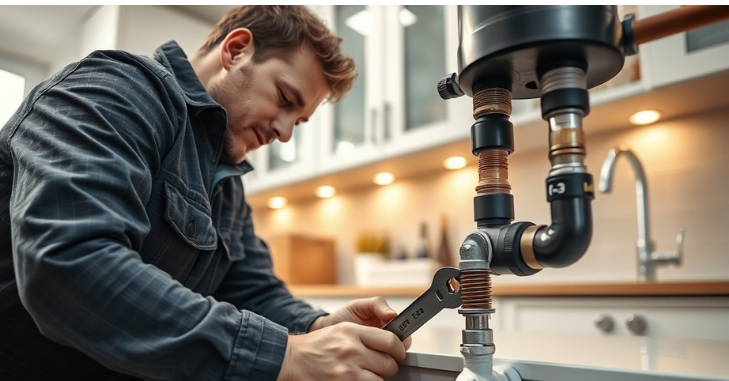
Salt-free systems use a template-assisted crystallization (TAC) process to neutralize minerals rather than remove them.
- Equipment cost: $700 – $2,500
- Installation cost: $300 – $800
- Total average cost: $1,000 – $3,300
These systems are low maintenance, environmentally friendly, and suitable for areas with moderately complex water.
3. Dual-Tank Water Softeners

These are designed for large households or for continuous use. One tank regenerates while the other remains active, ensuring soft water at all times.
- Equipment cost: $1,500 – $3,000
- Installation cost: $500 – $1,200
- Total average cost: $2,000 – $4,200
Though more expensive, they’re efficient for homes with high water demand.
4. Magnetic and Electronic Descalers
These systems are non-traditional and use electromagnetic fields to prevent scale buildup.
- Equipment cost: $200 – $800
- Installation cost: $150 – $400
- Total average cost: $350 – $1,200
They’re affordable but may not be as effective in regions with tough water.
Breakdown of Equipment Prices and What’s Included
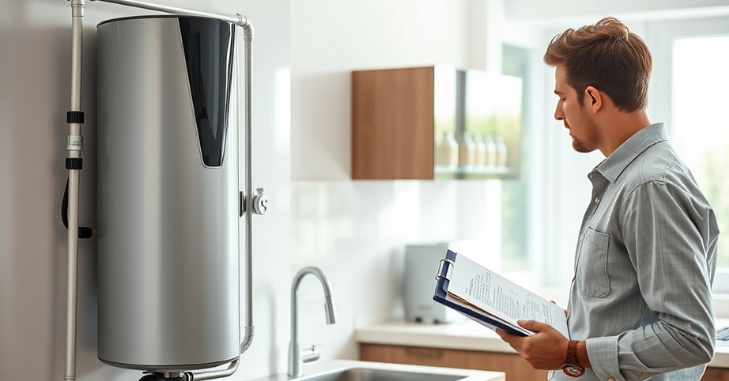
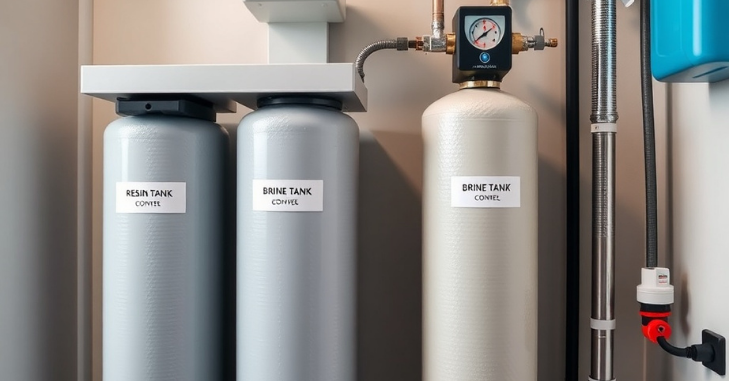
When purchasing a water softener, the equipment price usually includes:
- Central softener unit (tank and control valve)
- Brine tank (for salt-based systems)
- Bypass valve and fittings
- User manual and warranty
Labor and Plumbing Installation Fees

Professional Labor Costs
Hiring a certified plumber is essential for correct installation. On average, labor costs range between $300 and $1,000, depending on:
- Location of installation (garage, basement, or utility room)
- Accessibility of plumbing lines
- Whether a drain line or an electrical outlet needs modification
If extensive plumbing work or electrical connections are required, labor costs may increase.
DIY Installation Savings
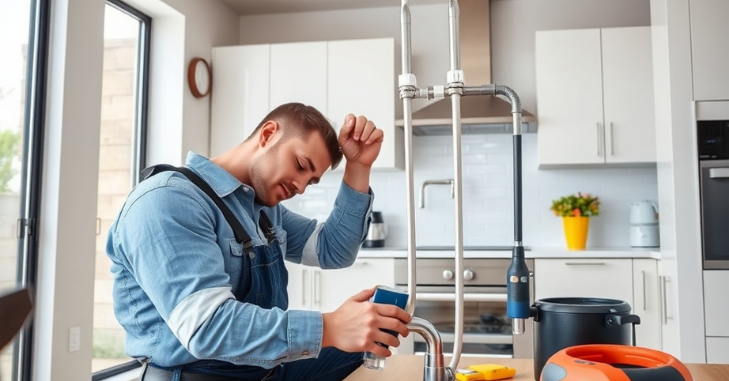
Some homeowners choose DIY installation to save on labor fees. Many modern systems are designed for easy setup, and with basic plumbing tools, installation can be done in a few hours.
However, improper installation can void warranties or cause leaks, so hiring a professional remains the safest choice.
Factors That Affect Total Installation Cost
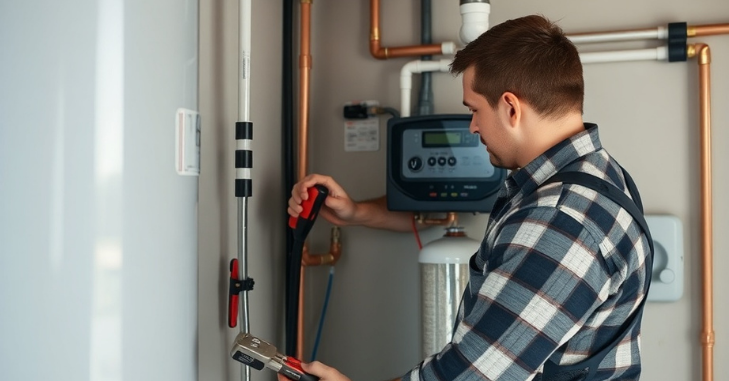
Several variables influence the total water softener system installation cost:
- Home Size: Larger homes require bigger systems with higher capacity.
- Water Hardness Level: Heavily mineralized water demands advanced filtration systems.
- System Type: Salt-based and dual-tank systems cost more than magnetic units.
- Plumbing Complexity: Older or customized plumbing can raise installation costs.
- Brand and Warranty: Reputable brands charge more upfront but offer better reliability and support.
Maintenance and Operating Costs
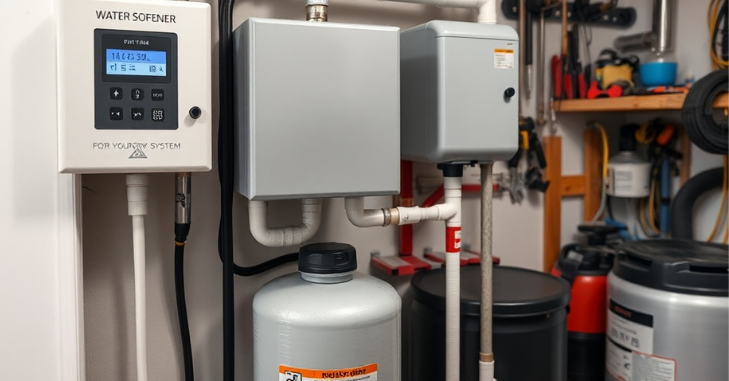
Salt Refills
For salt-based systems, homeowners must replenish salt regularly. Expect to spend $5–$25 per month, depending on water usage.
Filter Replacements
Salt-free and hybrid systems may require periodic filter changes, costing $50–$200 annually.
Cleaning and Servicing
Professional cleaning or resin replacement every 3–5 years can cost $100–$300. Regular upkeep prevents scale buildup and maintains performance.
Electricity and Water Use
Some systems consume minimal electricity for regeneration cycles. On average, the utility cost increase is less than $10 per month; a small trade-off for better water quality and appliance protection.
Comparing DIY vs. Professional Installation
| Installation Type | Average Cost | Pros | Cons |
| DIY Installation | $100 – $500 | Lower cost, convenient for basic systems | Risk of leaks, warranty issues |
| Professional Installation | $300 – $1,000 | Expert setup, long-term reliability | Higher upfront expense |
If you’re confident in plumbing and electrical work, DIY installation can save hundreds. However, professionals ensure the system operates safely and efficiently, especially for complex or high-capacity units.
Long-Term Value and Savings
While initial installation costs may seem high, a water softener system offers substantial long-term benefits:
- Protects plumbing and appliances from scale damage.
- Improves energy efficiency by preventing mineral buildup in water heaters.
- Reduces soap and detergent use, saving money on household supplies.
- Increases property value by enhancing water quality.
Over a decade, the savings on repairs and energy bills often outweigh the installation expenses.
Warranty, Lifespan, and Replacement Considerations
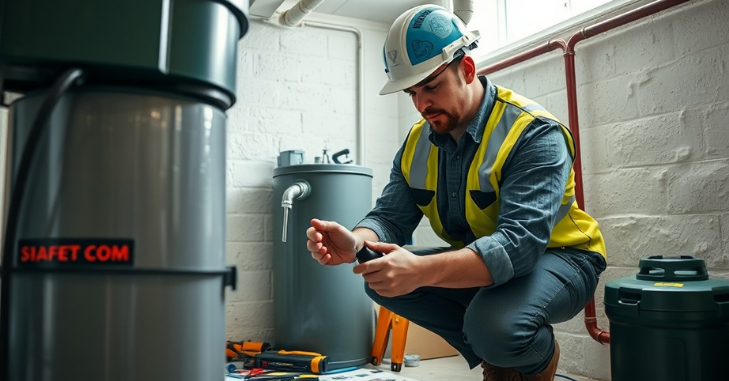
Most systems come with 5 to 10-year warranties on tanks and control valves. A well-maintained unit can last 10–20 years, depending on usage and water hardness levels. When comparing brands, always check for warranty coverage on parts and labor, as extended warranties can reduce maintenance expenses over time.
Environmental Impact and Efficiency
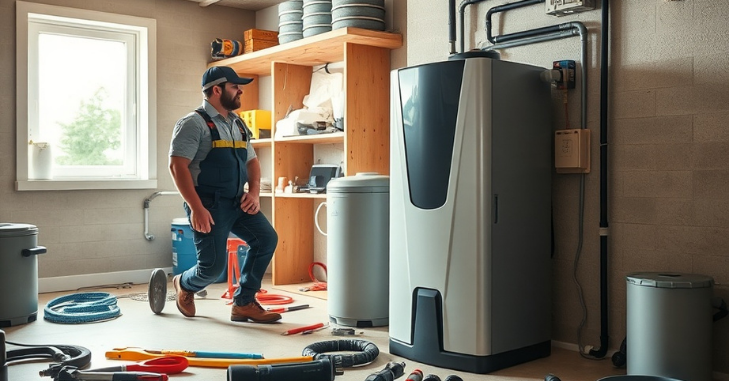
Modern systems are designed with eco-friendly regeneration cycles that minimize water and salt waste. Salt-free systems are particularly beneficial for environmentally conscious homeowners, as they prevent salt from being discharged into wastewater.
Investing in an energy-efficient model can reduce your household’s carbon footprint while maintaining water quality standards.
Conclusion
Investing in a water softener system is a wise decision for any homeowner facing challenging water issues. While installation costs can vary widely depending on the system’s type, labor, and maintenance needs, the long-term benefits far outweigh the costs. From protecting plumbing and appliances to improving water quality and energy efficiency, a properly installed system pays for itself over time.
Whether you choose a salt-based, salt-free, or electronic descaler system, understanding each cost factor helps ensure you get the best value for your home and enjoy cleaner, softer water for years to come.
Apart from that, if you want to know more about Deck Railing Ideas: Explore The Best Materials, Modern Styles, DIY Options, And Creative Ways To Enhance Safety, Beauty, And Functionality In Your Outdoor Space then visit our Home Improvement category.
Frequently Asked Questions (FAQs)
Salt-based systems are generally more effective for tough water and often cheaper upfront. However, salt-free systems have lower maintenance costs since they don’t require salt refills, making them more cost-efficient in the long run.
The average cost of installing a water softener system in 2025 ranges from $1,200 to $3,500. The total depends on the type of system (salt-based or salt-free), home size, plumbing complexity, and local labor rates.
Water softeners consume a small amount of electricity and water during regeneration cycles. On average, the additional utility cost is less than $10 per month, which is minimal compared to the savings from reduced appliance damage.