

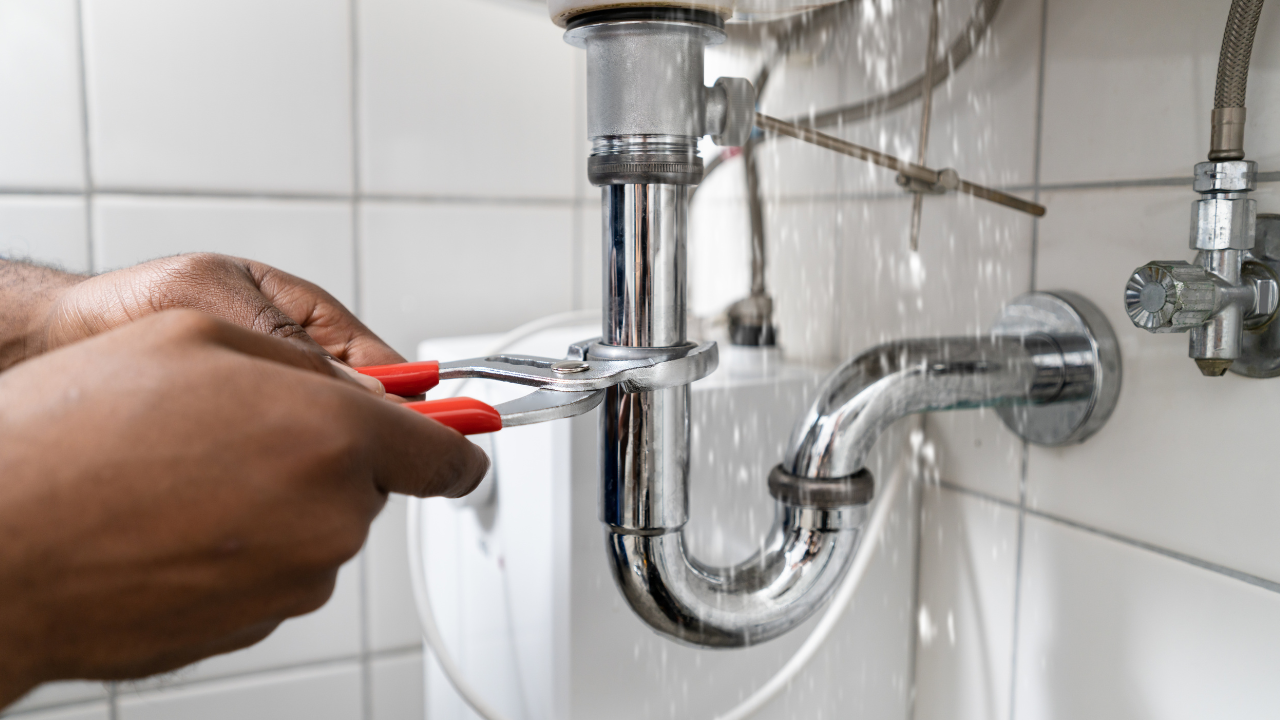
Professional plumbing services pay off most in two places: finding leaks you cannot see before they damage the structure, and clearing drains in a way that fixes the cause rather than just the symptom. A licensed plumber brings tools such as acoustic leak detectors, thermal cameras and drain inspection cameras that let them locate a problem precisely, often without opening up walls or floors. This guide explains how leak detection and drain repair work, the warning signs to watch for, what you can check yourself, and when it makes sense to call a professional.
Why hidden leaks matter more than most people think
Leaks are rarely dramatic at first. According to the U.S. Environmental Protection Agency’s WaterSense program, household leaks waste about 1 trillion gallons of water nationwide every year, and the average household’s leaks can add up to more than 9,300 gallons a year. Around 9 percent of homes have leaks wasting 50 gallons or more per day. A faucet dripping once per second alone can waste more than 3,000 gallons a year.
The water bill is only part of the cost. Leaks behind walls, under slabs or inside ceilings can soak drywall, rot wood framing and subfloors, ruin insulation and create the damp conditions mold needs. By the time a stain appears on a ceiling, water may have been seeping for weeks. Catching a leak early usually means a small pipe or fitting repair instead of a larger restoration job.
Common signs of a hidden leak
- A water bill that rises without any change in how you use water
- The sound of running water when every fixture is off
- Warm spots on the floor (a possible hot-water line leak under a slab)
- Stains, bubbling paint, warped baseboards or soft spots in floors
- Musty smells or mold in cabinets, closets or basements
- Unusually green or soggy patches in the yard above a supply line
- Low water pressure that has no obvious cause
Simple checks you can do yourself
The EPA recommends two easy tests. First, the meter test: note your water meter reading, avoid using any water for two hours, then read it again. If it has moved, you probably have a leak. Second, the toilet dye test: add a few drops of food coloring to the toilet tank and wait 10 minutes without flushing. Color in the bowl means the flapper or valve is leaking. Flush afterward so the dye does not stain the tank.
These checks confirm whether a leak exists. Finding exactly where it is, especially inside a wall or under concrete, is where professional equipment earns its cost.
How professional leak detection works
Plumbers who specialize in leak detection combine several non-destructive methods, choosing them based on the pipe material, location and type of leak:
| Method | How it works | Best for |
|---|---|---|
| Acoustic listening | Sensitive microphones pick up the sound of water escaping under pressure | Pressurized supply lines in walls, slabs and yards |
| Thermal imaging | Infrared cameras show temperature differences caused by moisture or hot water | Hot-water lines, wet areas behind drywall or under floors |
| Moisture meters | Measure moisture content in building materials | Mapping how far water has spread |
| Pressure testing | Sections of pipe are isolated and checked for pressure loss | Confirming which line is leaking |
| Tracer gas | A safe gas is pushed into the line and detected where it escapes | Very small or hard-to-hear leaks |
| Camera inspection | A waterproof camera travels through drain and sewer lines | Cracks, root intrusion and breaks in drain pipes |
The practical benefit is precision. Instead of opening several sections of wall to hunt for the source, a plumber can usually cut one small access point, make the repair and leave less patching work behind.
Blocked drains: fixing the cause, not just the clog
Slow sinks, gurgling sounds, bad odors and water backing up into a shower or floor drain are classic signs of a blockage. In kitchens the usual culprit is grease, fat and food scraps; in bathrooms it is hair and soap scum; in main sewer lines it is often wipes, tree roots or a sagging or cracked pipe.
A plunger or a hand auger can clear a simple sink clog. Repeated blockages, or several fixtures backing up at once, point to a problem further down the line. Professional drain work typically involves:
- Camera inspection to see what is actually inside the pipe, whether that is a grease buildup, roots or a collapsed section.
- Mechanical cleaning with a motorized drain snake (auger) to break through blockages.
- Hydro jetting, which scours pipe walls with high-pressure water to remove grease and roots more thoroughly than snaking.
- Repair or relining of damaged sections. Trenchless pipe relining inserts a resin-coated liner that hardens inside the old pipe, which can avoid digging up a driveway or yard when the pipe is a suitable candidate.
Repeated use of harsh chemical drain cleaners is worth avoiding. They may not clear solid blockages, can be hazardous if they splash, and can be hard on older pipes. If a plunger does not work, a professional diagnosis is usually cheaper in the long run.
The real benefits of hiring a professional plumber
Less damage and lower repair bills
Accurate detection limits demolition, and an early fix keeps water out of floors, ceilings and electrical systems. Replacing a worn seal or a short run of corroded pipe is almost always cheaper than repairing the water damage it would otherwise cause.
Correct diagnosis
Experienced plumbers understand how water moves through a building and can tell whether a stain comes from a supply line, a drain, a roof or condensation. Knowing the different plumbing pipes in a home (copper, PEX, PVC, galvanized steel and cast iron) also matters, because each fails differently and needs different repair methods.
Code compliance and safety
Licensed plumbers work to local plumbing codes, pull permits where required and know how to handle gas lines, water heaters and backflow prevention safely. That protects water quality and can matter for insurance claims and when you sell the home.
Better long-term performance
Periodic inspections catch corrosion, failing valves, high water pressure and slow drains before they turn into emergencies. The EPA estimates that fixing easily corrected household leaks can save homeowners about 10 percent on water bills. If your home also has hard water, our guide to water softener system installation cost explains how scale affects pipes and fixtures.
Choosing a plumbing service
Wherever you live, the same questions help separate a good plumber from a risky one:
- Are they licensed and insured for your state or region? Ask for the license number and check it.
- Do they have leak detection and camera inspection equipment, or will they subcontract it?
- Will they give a written quote and explain the options, including repair versus replacement?
- Do they offer emergency call-outs, and what do those cost?
- What warranty comes with the work and parts?
Local specialists often list exactly what they cover. For example, Dr Leak Plumbing, which offers Professional plumbing services in Sydney, lists leak detection, blocked drains, drain camera inspections, pipe relining and emergency plumbing across Sydney’s suburbs. Comparing a provider’s stated services with your problem is a quick first filter. Our article on what the best plumbers do every visit covers other signs of quality workmanship, and if moisture is reaching the area under your home, see our guide to waterproof crawl space cost.
Preventive habits that reduce plumbing problems
- Keep grease, coffee grounds and fibrous scraps out of the kitchen sink.
- Flush only toilet paper. Wipes labeled “flushable” are a common cause of sewer blockages.
- Use hair catchers in showers and tubs.
- Know where your main water shut-off valve is and test that it turns.
- Check under sinks and around the water heater, washer and dishwasher every few months.
- Run the meter test once or twice a year.
Frequently asked questions
How do plumbers find hidden leaks without tearing out walls?
They use non-destructive tools such as acoustic listening devices, thermal imaging cameras, moisture meters, pressure tests and tracer gas to pinpoint the leak, then open only a small access point to repair it.
How can I tell if I have a leak?
Read your water meter, use no water for two hours, then read it again. If it moved, you likely have a leak. Rising bills, the sound of running water, stains and musty smells are other signs.
When should I call a plumber for a blocked drain?
If a plunger does not clear it, if blockages keep coming back, or if several fixtures drain slowly or back up at once. Those signs often mean a problem in the main line.
Is hydro jetting better than snaking a drain?
Snaking punches through a blockage, while hydro jetting scours the pipe walls with high-pressure water and removes grease and roots more completely. A camera inspection helps decide which suits your pipes.
How much water can a small leak waste?
The EPA says a faucet dripping once per second can waste more than 3,000 gallons a year, and the average household’s leaks can waste more than 9,300 gallons annually.